
Use Code: SAVE26 And Get 30% OFF | Get Free Delivery With No Minimum Order
-1744229570.gif "Almujtama Pharmacy logo")




Frequently bought together
Vitamins & Supplements > Vitamins and Minerals
Vitamins & Supplements > Vitamins and Minerals
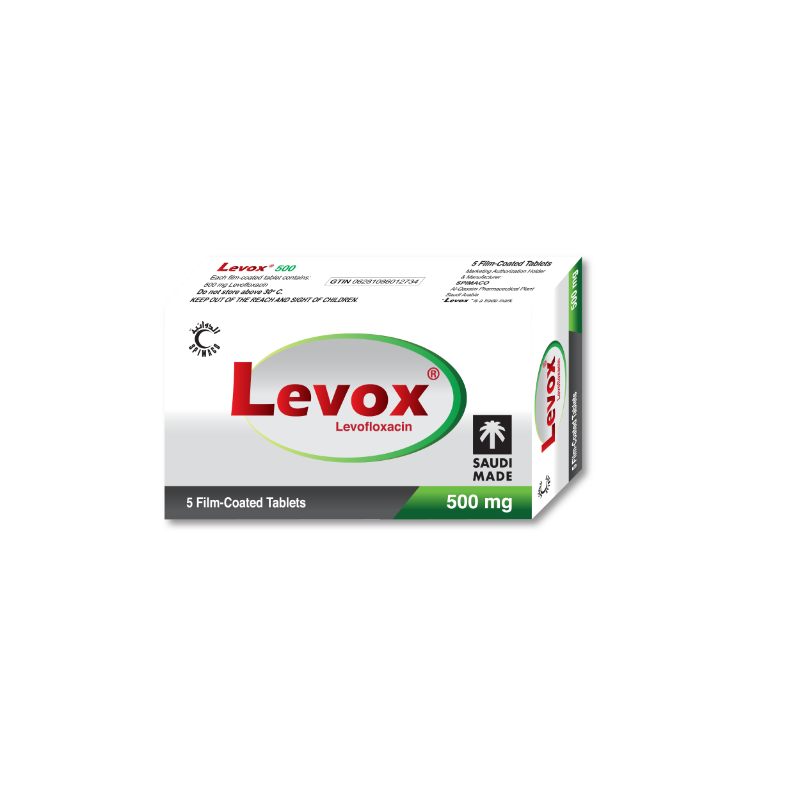
LEVOX 500/MG FC TAB 5/FC TAB
- Sku : I-013325
Key features
LEVOX 500 mg film-coated tablet contains levofloxacin 500 mg as the active ingredient. It inhibits bacterial DNA gyrase and topoisomerase IV, enzymes essential for bacterial DNA replication and cell division, producing bactericidal activity. It is indicated for a broad range of bacterial infections including nosocomial and community-acquired pneumonia, acute bacterial rhinosinusitis, acute bacterial exacerbation of chronic bronchitis, chronic bacterial prostatitis, acute pyelonephritis, complicated and uncomplicated urinary tract and skin structure infections, and for post-exposure inhalational anthrax and plague. Prescription-only; supplied as film-coated tablets in packs of 5.- Brand: LEVOX
- Active Ingredient: LEVOFLOXACIN 500mg
- Strength: 500mg
- Dosage Form: Film-coated tablet
- Pack Size: 5 Tablets
- Route: Oral use
- Prescription Status: Prescription
- Therapeutic Class: Anti-infective
- Pharmacological Group: Fluoroquinolones
- Drug Class: Third-generation Fluoroquinolone Antibiotic
- Manufacturer: SPIMACO
- Country of Origin: Saudi Arabia
- SFDA Registration No.: 273-212-11
- Shelf Life: 36 months
- Storage: store below 30°c
- Spectrum: Broad-spectrum
- Antibiotic Class: Fluoroquinolone
Frequently bought together
Vitamins & Supplements > Vitamins and Minerals
Vitamins & Supplements > Vitamins and Minerals
Indications
Approved Uses
Nosocomial pneumonia, Community-acquired pneumonia, Acute bacterial rhinosinusitis, Acute bacterial exacerbation of chronic bronchitis, Chronic bacterial prostatitis, Acute pyelonephritis, Complicated and uncomplicated urinary tract infections, Complicated and uncomplicated skin or skin structure infections, Inhalational anthrax (post-exposure), and Plague.
Off-Label Uses
Multidrug-resistant tuberculosis (as part of combination therapy), traveler’s diarrhea (when indicated by local guidance/resistance), and selected atypical/Legionella infections; other proposed uses (e.g., PID, endocarditis, meningitis) are not routine and generally require specialist guidance and susceptibility confirmation.
Dosage & Administration
Dosing by Condition
Use indication-specific regimens per local guidelines and susceptibility; common adult regimens include: CAP 500 mg daily 7-14 days or 750 mg daily 5 days; acute bacterial sinusitis 750 mg daily 5 days or 500 mg daily 10-14 days; uncomplicated UTI 250 mg daily 3 days; complicated UTI/acute pyelonephritis 750 mg daily 5 days or 250 mg daily 10 days; chronic bacterial prostatitis 500 mg daily 28 days; inhalational anthrax post-exposure 500 mg daily 60 days.
Initial Dose
250 mg, 500 mg, or 750 mg depending on the indication.
Maintenance Dose
250mg to 750mg once daily depending on indication and severity
Maximum Dose
750mg per day for most indications, up to 1000mg for tuberculosis.
Children's Dosage
Approved for children 30 kg and greater only for inhalational anthrax (post-exposure) and plague. For children 30-<50 kg: 250 mg every 12 hours. For children ≥50 kg: 500 mg every 24 hours.
Dose Adjustment Notes
Dose adjustment is required in renal impairment; no routine hepatic dose adjustment is needed. Avoid co-administration with antacids/iron/zinc/sucralfate-separate by at least 2 hours before or after.
How to Take
Swallow the film-coated tablet whole with a full glass of water; may be taken with or without food. Maintain adequate hydration. Separate from polyvalent cations/chelators (e.g., antacids containing Mg/Al, iron, zinc, calcium supplements, sucralfate) by at least 2 hours before or 2 hours after.
Side Effects
Common Side Effects
Nausea, diarrhea, headache, dizziness, insomnia (and other common GI effects such as abdominal pain/constipation may occur).
Side Effect Frequency
Common (1-10%): nausea, diarrhea, headache, dizziness, insomnia, constipation. Uncommon (0.1-1%): vomiting, abdominal pain/dyspepsia, rash/pruritus, elevated liver enzymes, photosensitivity, QT prolongation, hypo-/hyperglycemia, anxiety/confusion/tremor. Rare (<0.1%): tendinitis and tendon rupture, peripheral neuropathy, seizures, psychosis, anaphylaxis, Clostridioides difficile colitis, severe hepatotoxicity; aortic aneurysm/dissection is a rare post-marketing event (frequency not reliably quantifiable).
Safety & Warnings
Contraindications
Contraindicated: hypersensitivity to levofloxacin/other quinolones; history of tendon disorder/rupture related to fluoroquinolone use. (Myasthenia gravis is a strong warning/avoid, not a universal absolute contraindication; epilepsy, pregnancy, breastfeeding, and age <18 are generally precautions/avoid unless necessary rather than absolute contraindications.)
Warnings & Precautions
Warnings/precautions: reserve use when alternatives are inadequate; discontinue immediately for tendon pain/rupture, neuropathy, or serious CNS effects; increased tendon risk in elderly, corticosteroid users, and transplant patients; avoid in myasthenia gravis; QT prolongation risk (avoid/monitor with risk factors); C. difficile diarrhea; severe hypersensitivity; dysglycemia (esp. with antidiabetics); photosensitivity; aortic aneurysm/dissection risk in at-risk patients.
Age Restriction
Not routinely recommended in patients <18 years; use only when benefits outweigh risks for specific serious indications (e.g., inhalational anthrax post-exposure, plague) or when no suitable alternatives exist.
Driving Warning
Safe
Drug Interactions
Drug Interactions
Key interactions: polyvalent cations (Al/Mg antacids, iron, zinc) and sucralfate reduce absorption-separate dosing; warfarin may increase INR/bleeding-monitor; QT-prolonging drugs (Class IA/III antiarrhythmics, etc.) increase arrhythmia risk; NSAIDs may increase CNS stimulation/seizure risk; antidiabetic agents may cause dysglycemia; systemic corticosteroids increase tendon rupture risk.
Interaction Severity
MAJOR: QT-prolonging antiarrhythmics/other QT-prolonging drugs (additive torsades risk); MODERATE: warfarin (↑INR/bleeding-monitor), antidiabetic agents (dysglycemia), systemic corticosteroids (↑tendinopathy/rupture risk), NSAIDs (↑CNS stimulation/seizure risk), theophylline (possible ↑CNS/toxicity-monitor); MINOR/ADMINISTRATION: antacids/iron/zinc/calcium/sucralfate (↓absorption-separate dosing).
Food Interaction
Can be taken with or without food; avoid simultaneous intake with antacids or supplements containing Mg/Al/Fe/Zn/Ca or sucralfate-separate by at least 2 hours before or after.
Special Populations
Pregnancy
Caution
Breastfeeding
Caution
Children
Approved for children 30 kg and greater only for inhalational anthrax (post-exposure) and plague. For children 30-<50 kg: 250 mg every 12 hours. For children ≥50 kg: 500 mg every 24 hours.
Elderly
Standard adult dosing. Use with caution, especially in patients on corticosteroids or with renal impairment, due to an increased risk of tendon disorders. Dose adjustment is necessary for decreased renal function.
Kidney Impairment
Dose adjustment required when CrCl <50 mL/min; for a 500 mg once-daily regimen: CrCl 20-49 mL/min: 500 mg once then 250 mg every 24 h; CrCl 10-19 mL/min (and HD/CAPD): 500 mg once then 250 mg every 48 h.
Liver Impairment
No adjustment needed.
Storage & Patient Advice
Missed Dose
Take as soon as remembered; if it is close to the next dose, skip the missed dose and resume the regular schedule-do not double doses.
Stopping the Medicine
Complete the prescribed course unless a serious adverse reaction occurs (e.g., tendon pain/swelling, neuropathy symptoms, severe rash/allergy, severe CNS effects), in which case stop and seek urgent medical advice.
Overdose
Overdose may cause CNS effects (confusion, dizziness, seizures), GI upset, and QT prolongation/arrhythmias; management is supportive (consider decontamination if early, monitor ECG/electrolytes, treat seizures), and hemodialysis/peritoneal dialysis does not effectively remove levofloxacin.
Patient Counseling
Take exactly as prescribed and complete the full course. May take with or without food; separate from antacids/iron/zinc/calcium/sucralfate by ≥2 hours. Drink adequate fluids. Stop and seek care urgently for tendon pain/swelling, new numbness/tingling or weakness (neuropathy), severe/persistent diarrhea, severe rash/allergic reaction, or significant mood/CNS changes. Use sun protection (photosensitivity). Use caution driving if dizzy. Diabetics should monitor glucose more closely; patients on warfarin may need INR monitoring.
Monitoring Requirements
Monitor renal function when clinically indicated (especially elderly/renal impairment) and adjust dose accordingly; monitor for tendinopathy/tendon rupture, peripheral neuropathy, CNS effects; consider ECG/QT risk assessment in at-risk patients; monitor blood glucose in diabetics; monitor INR if on warfarin.
Pharmacology
Mechanism of Action
Inhibits bacterial DNA gyrase and topoisomerase IV, which are enzymes required for DNA replication, transcription, repair, and recombination, leading to inhibition of bacterial cell division and death.
Onset of Action
Peak plasma concentration occurs about 1-2 hours after an oral dose; clinical improvement is typically assessed within 48-72 hours depending on infection.
Duration of Effect
Approximately 24 hours (supports once-daily dosing for most indications).
Half-Life
6-8 hours.
Bioavailability
Approximately 99% (near-complete oral bioavailability).
Metabolism
Minimal hepatic metabolism; predominantly excreted unchanged in urine.
Excretion
Primarily excreted unchanged in the urine (approximately 87% within 48 hours).
Protein Binding
24-38%.
Product Information
Available Dosage Forms
Film-coated tablet (this product: LEVOX 500 mg). Levofloxacin is also available in other markets as an oral solution and an IV infusion solution, but those are not this SFDA-registered product’s dosage form.
Composition per Dose
Each film-coated tablet: 500mg levofloxacin
Generic Availability
Yes
OTC Alternatives
No OTC alternative
Spectrum
Broad-spectrum
Antibiotic Class
Fluoroquinolone
Reviewed by Al Mujtama Pharmacy Medical Review Team. Last reviewed 14-06-2026
Similar Products
Medications > Painkillers and Antipyretics
Medications > Eye and Ear Medications
Medications > Cold, Cough, and Allergy Medications
Medications > Contraceptives and Hormonal Medications
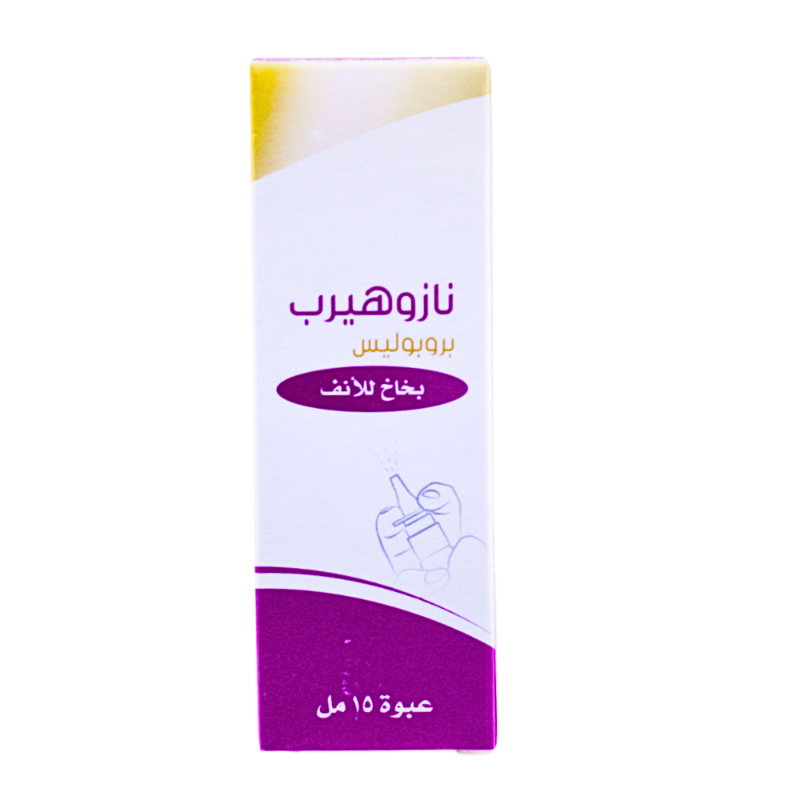
Medications > Cold, Cough, and Allergy Medications
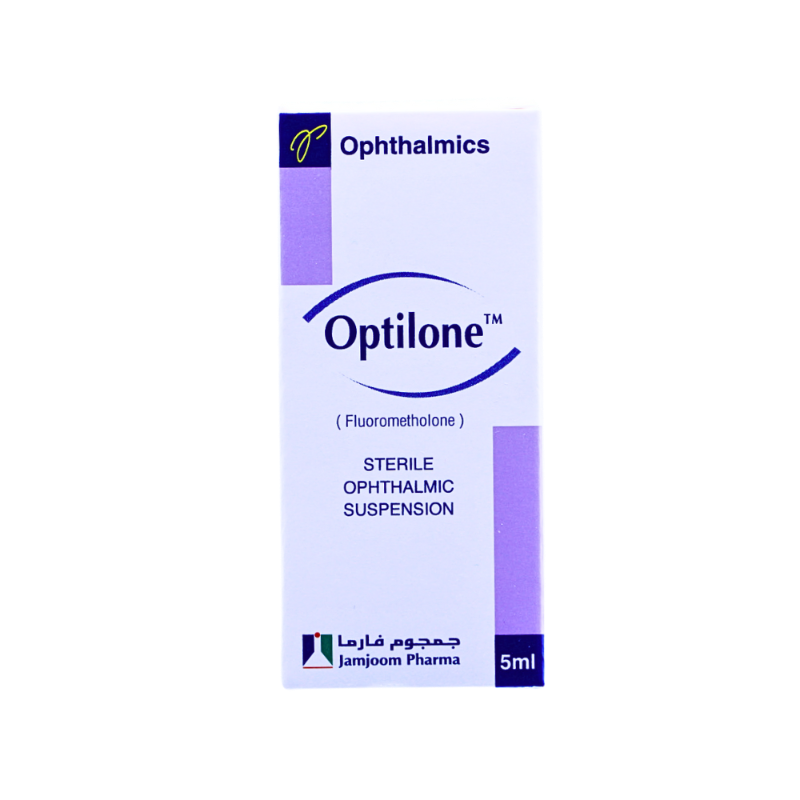
Medications > Eye and Ear Medications
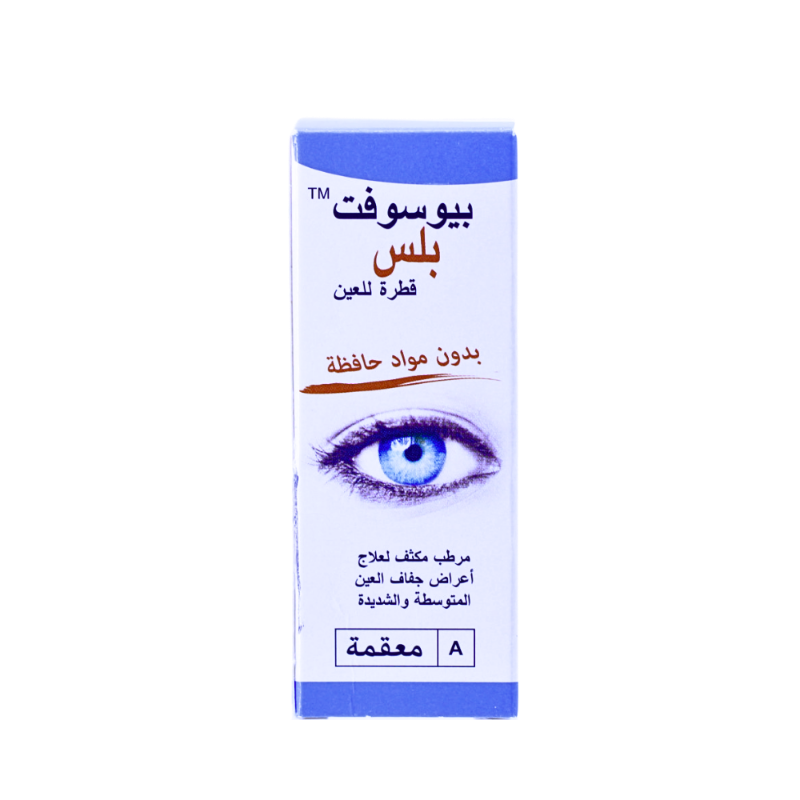
Medications > Eye and Ear Medications
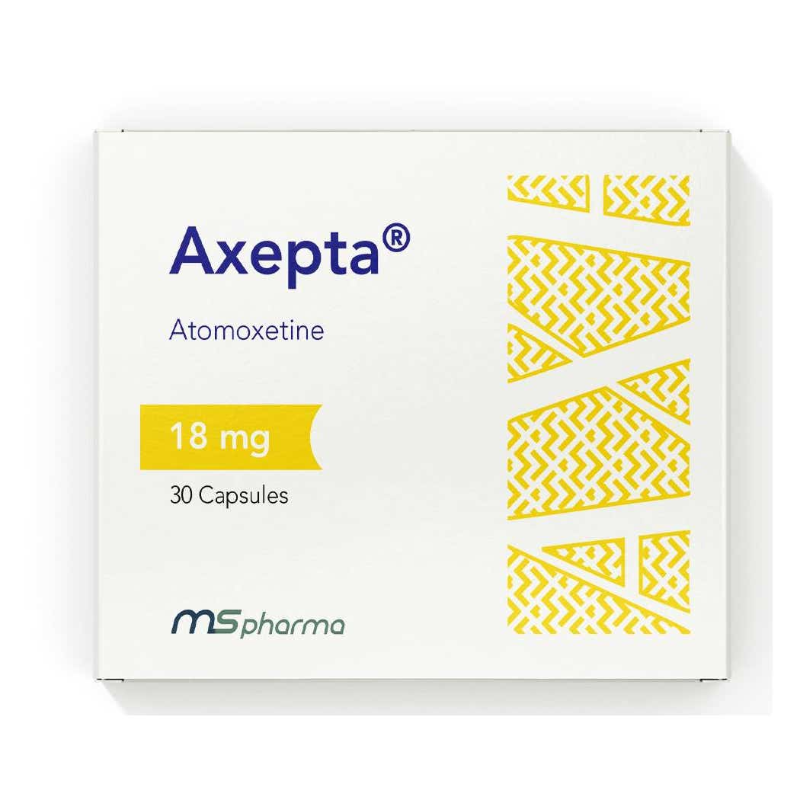
Medications > Psychiatric Medications
Medications > Dermatology Medications
Medications > Dermatology Medications
