
Use Code: SAVE26 And Get 30% OFF | Get Free Delivery With No Minimum Order
-1744229570.gif "Almujtama Pharmacy logo")




Frequently bought together
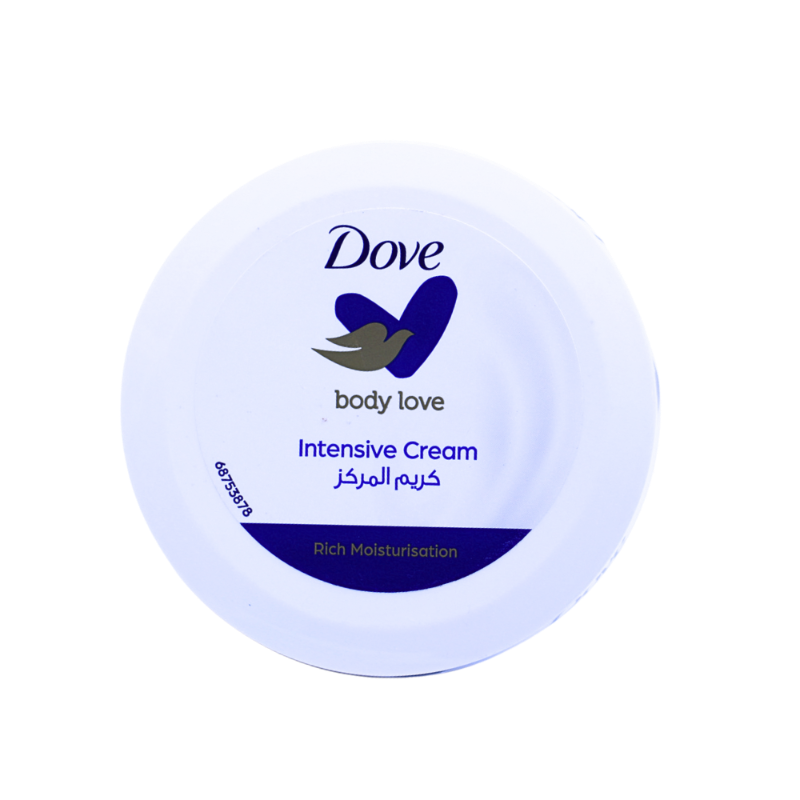
Skin And Body Care > Moisturizers
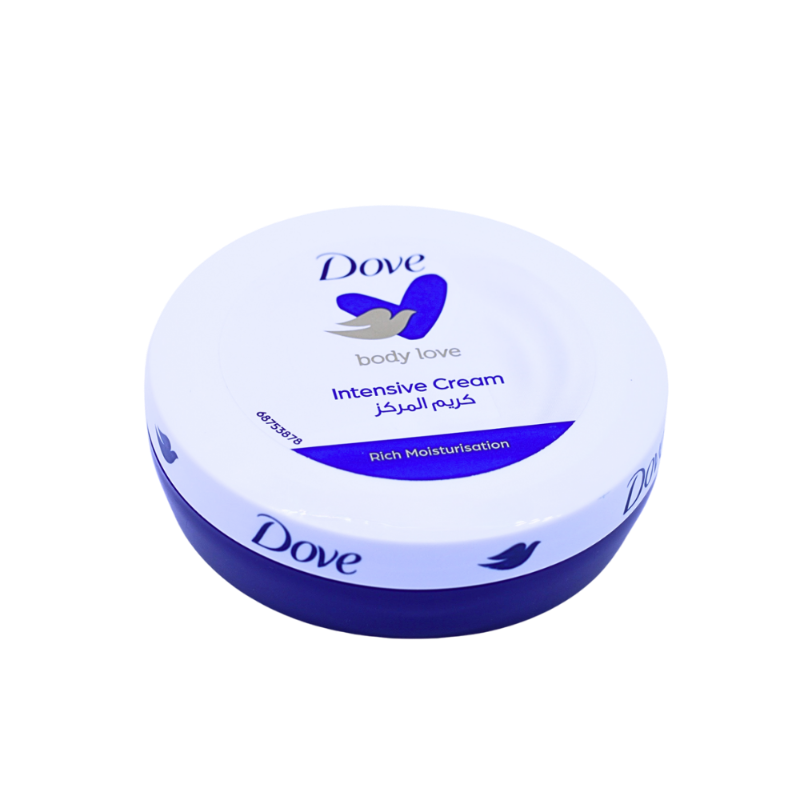
Skin And Body Care > Moisturizers
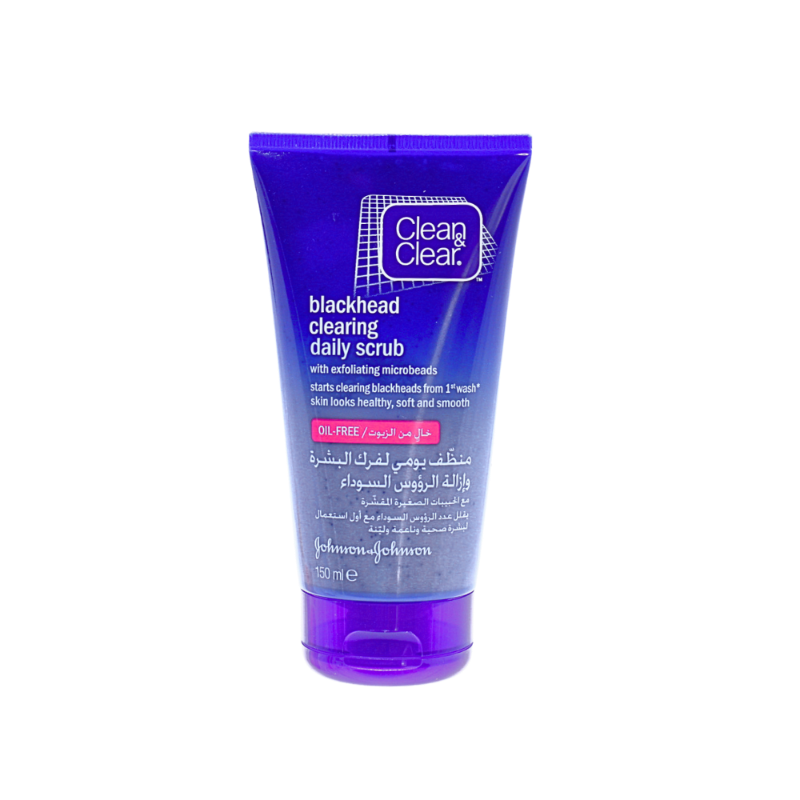
Skin And Body Care > Facial Wash And Exfoliators

Skin And Body Care > Facial Wash And Exfoliators
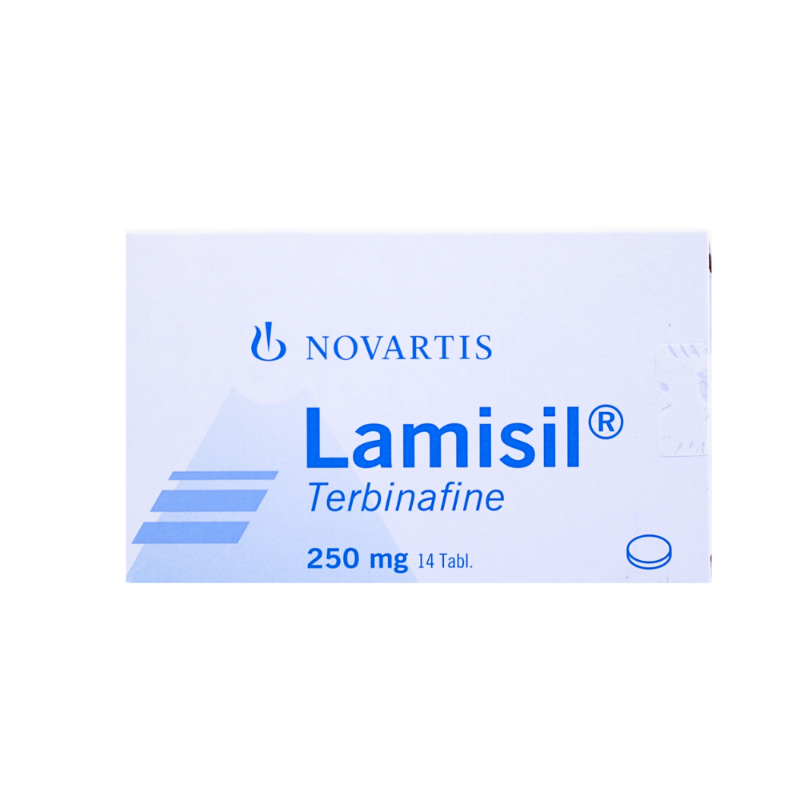
LAMISIL 250/MG TAB 14/TAB
- Sku : I-003469
Key features
LAMISIL 250 mg Tablet is a prescription oral antifungal product containing the active ingredient terbinafine 250 mg. It inhibits fungal squalene epoxidase, reducing ergosterol synthesis and causing intracellular squalene accumulation, resulting in fungicidal activity against dermatophytes. It is indicated for the treatment of onychomycosis (tinea unguium) of the toenails or fingernails due to dermatophyte infection. Available as tablets in packs of 14.- Brand: LAMISIL
- Active Ingredient: TERBINAFINE 250mg
- Strength: 250mg
- Dosage Form: Tablet
- Pack Size: 14 Tablets
- Route: Oral use
- Prescription Status: Prescription
- Therapeutic Class: Dermatological
- Pharmacological Group: Antifungals (Topical)
- Drug Class: Allylamine Antifungal
- Manufacturer: NOVARTIS PHARMA PRODUKTIONS GMBH
- Country of Origin: Germany
- SFDA Registration No.: 1-358-02
- Shelf Life: 36 months
- Storage: do not store above 25°c
- Application: Oral
Frequently bought together
Skin And Body Care > Moisturizers
Skin And Body Care > Moisturizers
Skin And Body Care > Facial Wash And Exfoliators
Skin And Body Care > Facial Wash And Exfoliators
Indications
Approved Uses
Onychomycosis of the toenail or fingernail due to dermatophytes (tinea unguium)
Dosage & Administration
Dosing by Condition
Onychomycosis (fingernails): 250 mg once daily for 6 weeks. Onychomycosis (toenails): 250 mg once daily for 12 weeks.
Initial Dose
250 mg once daily
Maintenance Dose
250 mg once daily
Maximum Dose
250mg once daily.
Children's Dosage
Not approved for onychomycosis in children; for tinea capitis (patients 4 years and older): <25 kg: 125 mg once daily; 25-35 kg: 187.5 mg once daily; >35 kg: 250 mg once daily for 6 weeks (oral granules).
Dose Adjustment Notes
Contraindicated/not recommended in chronic or active liver disease; in renal impairment (CrCl <50 mL/min) use is generally not recommended-if used, many references suggest reducing the dose by ~50% with close monitoring.
How to Take
Swallow the tablet whole with water; may be taken with or without food; take once daily at the same time each day.
Side Effects
Common Side Effects
Headache; gastrointestinal effects (diarrhea, dyspepsia, nausea, abdominal pain/flatulence); rash/pruritus/urticaria; taste disturbance; and possible elevations in liver enzymes.
Safety & Warnings
Contraindications
Hypersensitivity to terbinafine (or excipients) and chronic or active liver disease; severe renal impairment is generally a 'not recommended/avoid' situation rather than a strict contraindication.
Warnings & Precautions
Baseline liver function tests before starting; stop immediately with symptoms/signs of liver injury; counsel on and stop for progressive rash/SJS-TEN symptoms; caution in psoriasis or lupus; consider CBC if prolonged therapy or if infection symptoms occur; stop and evaluate if significant taste/smell disturbance occurs.
Age Restriction
Oral terbinafine tablets are generally not recommended/approved for children; use in pediatrics (e.g., tinea capitis) is typically off‑label and product labeling commonly limits tablet use to adults (onychomycosis not indicated in <18 years).
Drug Interactions
Drug Interactions
Key interactions: rifampicin (↓ terbinafine levels), cimetidine (↑ terbinafine levels), strong CYP inhibitors/inducers affecting terbinafine; terbinafine inhibits CYP2D6 (↑ TCAs, SSRIs, some beta‑blockers e.g., metoprolol, antiarrhythmics e.g., flecainide/propafenone; may reduce codeine/tramadol activation); cyclosporine levels may decrease; warfarin effect may change-monitor INR.
Interaction Severity
MAJOR/clinically significant: rifampicin (markedly decreases terbinafine levels/efficacy) and strong CYP inhibitors like cimetidine (increase terbinafine exposure); IMPORTANT due to CYP2D6 inhibition: increased effects/toxicity of CYP2D6 substrates (e.g., TCAs, SSRIs, metoprolol, flecainide/propafenone) and reduced activation of codeine/tramadol; warfarin-monitor INR.
Food Interaction
No clinically significant food restriction; may be taken with or without food.
Special Populations
Pregnancy
Not assigned (Risk Summary: Based on animal data, may cause bone malformations; available data from cases insufficient to inform risk)
Breastfeeding
Not recommended
Children
Not approved for onychomycosis in children; for tinea capitis (patients 4 years and older): <25 kg: 125 mg once daily; 25-35 kg: 187.5 mg once daily; >35 kg: 250 mg once daily for 6 weeks (oral granules).
Elderly
Standard adult dosing; however, monitor renal and hepatic function before and during treatment as age-related decline may affect drug clearance
Liver Impairment
Contraindicated in chronic or active liver disease; no dose adjustment is recommended for mild impairment because oral terbinafine should generally be avoided if hepatic disease is present-baseline LFTs are required and stop if hepatotoxicity signs occur.
Storage & Patient Advice
Stopping the Medicine
Do not stop early without prescriber advice; complete the prescribed course unless adverse effects occur (then stop and seek medical care).
Overdose
Symptoms may include headache, nausea, epigastric/abdominal pain, dizziness; management is supportive with consideration of activated charcoal (and gastric decontamination if very recent) and urgent medical evaluation; no specific antidote.
Patient Counseling
Complete the full prescribed course; report symptoms of liver injury immediately (fatigue, anorexia, persistent nausea/vomiting, RUQ pain, dark urine, pale stools, jaundice) and stop/seek care if they occur; report severe rash, fever/sore throat, or taste/smell disturbance; review all medicines for interactions (notably antidepressants/beta-blockers/antiarrhythmics, rifampicin, warfarin); limit alcohol and attend any scheduled lab monitoring.
Monitoring Requirements
Baseline liver function tests (ALT/AST) before starting; repeat if symptoms of hepatotoxicity occur and commonly at ~4-6 weeks for longer courses; consider CBC if prolonged therapy or if infection/hematologic symptoms develop; assess renal function when clinically indicated.
Pharmacology
Mechanism of Action
Inhibits fungal squalene epoxidase → decreased ergosterol synthesis and intracellular squalene accumulation → fungicidal activity against dermatophytes.
Onset of Action
Antifungal activity begins within days; symptom improvement for skin infections often within 1-2 weeks, while nail infection improvement is delayed and becomes evident over weeks to months as the nail grows.
Duration of Effect
Drug persists in keratinized tissues (skin/nails) for weeks to months after stopping; clinical clearing of nails continues as the nail grows out.
Half-Life
Effective plasma half-life ~36 hours; terminal half-life ~200-400 hours (reflecting slow release from skin/adipose)
Bioavailability
Approximately 40% (oral bioavailability; reduced by first-pass metabolism)
Metabolism
Extensive hepatic metabolism via multiple CYP isoenzymes (notably CYP1A2, CYP2C9, CYP2C19, CYP3A4, and CYP2D6) to inactive metabolites
Protein Binding
>99%
Product Information
Available Dosage Forms
Tablet, 250 mg
Composition per Dose
Each tablet: 250 mg terbinafine (as hydrochloride 281.25 mg)
Generic Availability
Yes
Application
Oral
Reviewed by Al Mujtama Pharmacy Medical Review Team. Last reviewed 27-05-2026
Similar Products
Medications > Diabetes Medications

Medications > Diabetes Medications
Medications > Painkillers and Antipyretics
Medications > Diabetes Medications
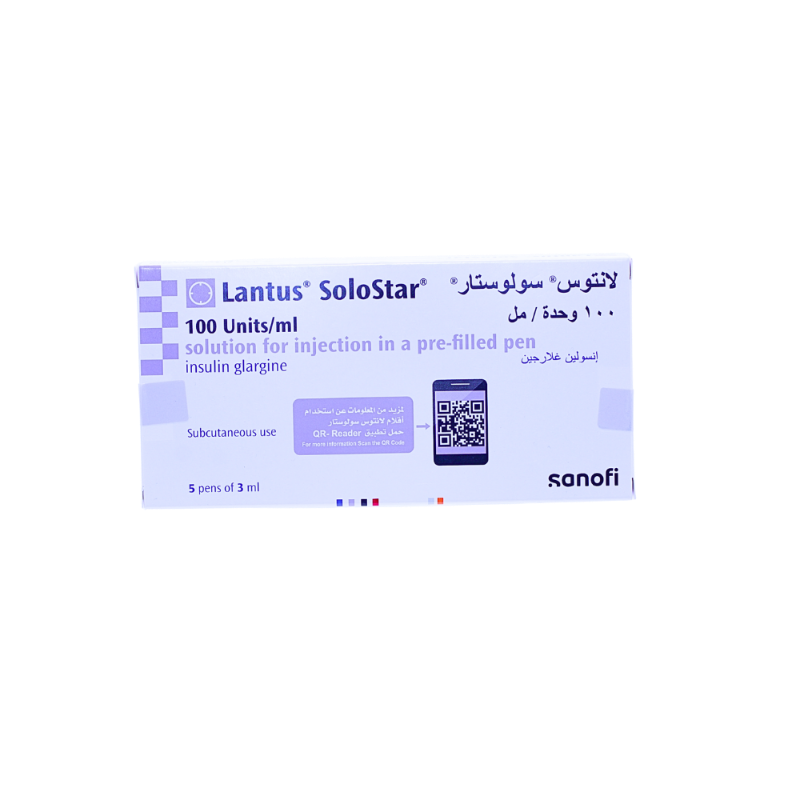
Medications > Diabetes Medications
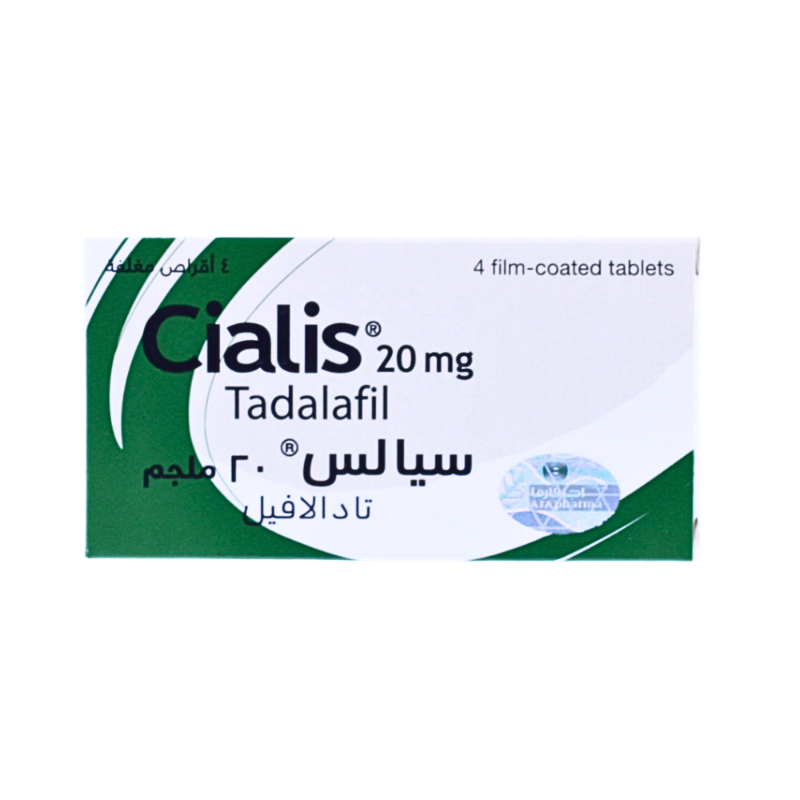
Medications > Sexual Health

Medications > Painkillers and Antipyretics
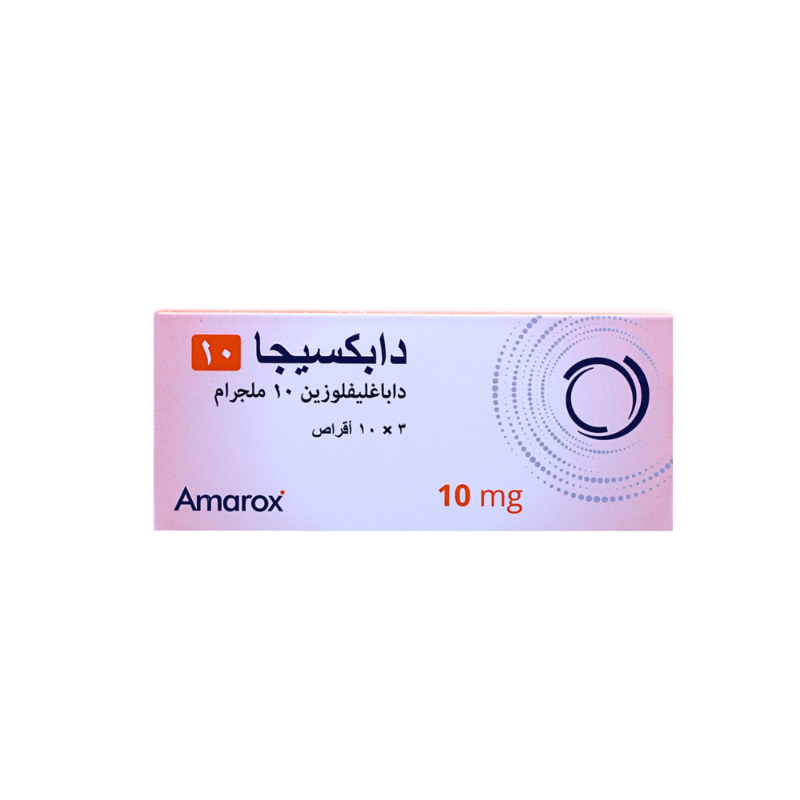
Medications > Diabetes Medications
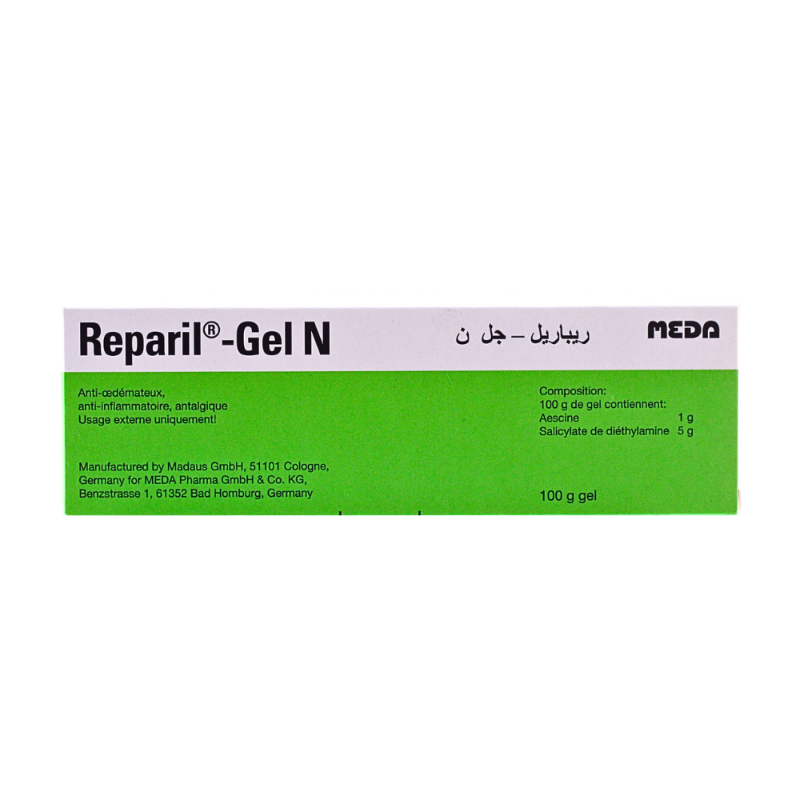
Medications > Painkillers and Antipyretics
Medications > Cholesterol Medications
