
Use Code: SAVE26 And Get 30% OFF | Get Free Delivery With No Minimum Order
-1744229570.gif "Almujtama Pharmacy logo")




Frequently bought together
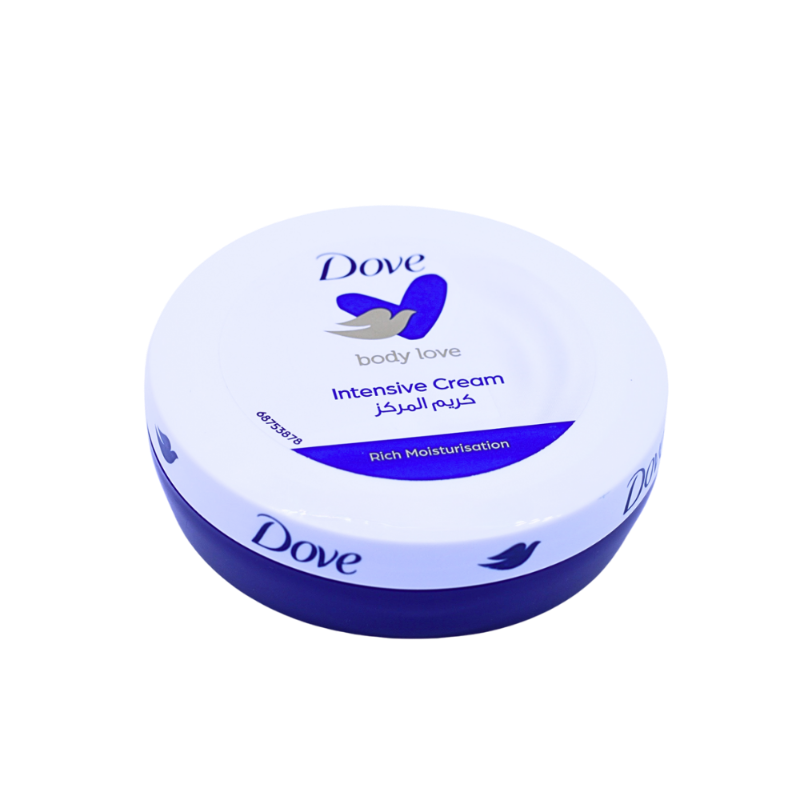
Skin And Body Care > Moisturizers
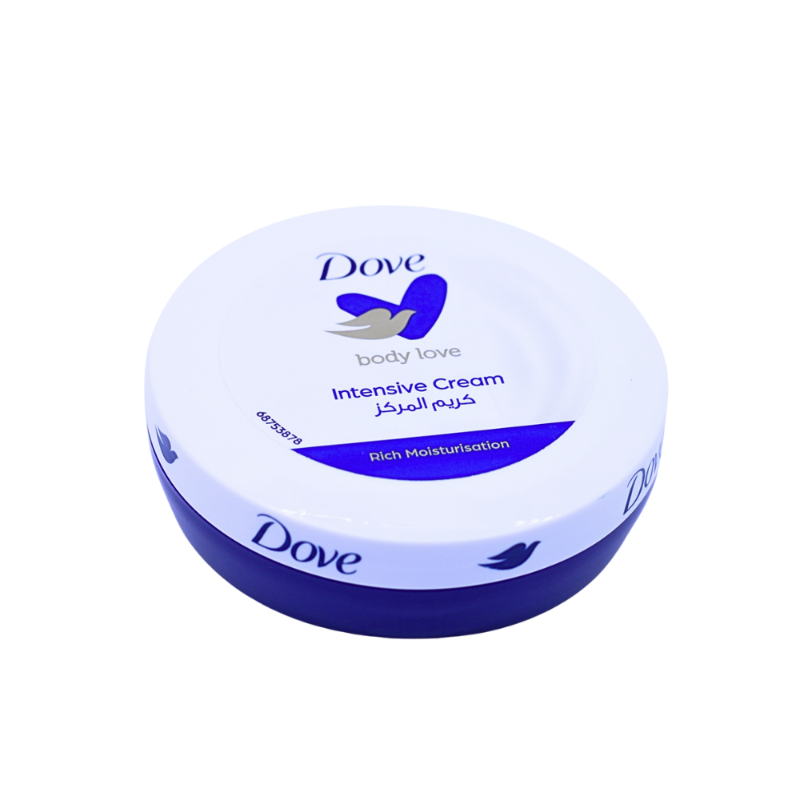
Skin And Body Care > Moisturizers
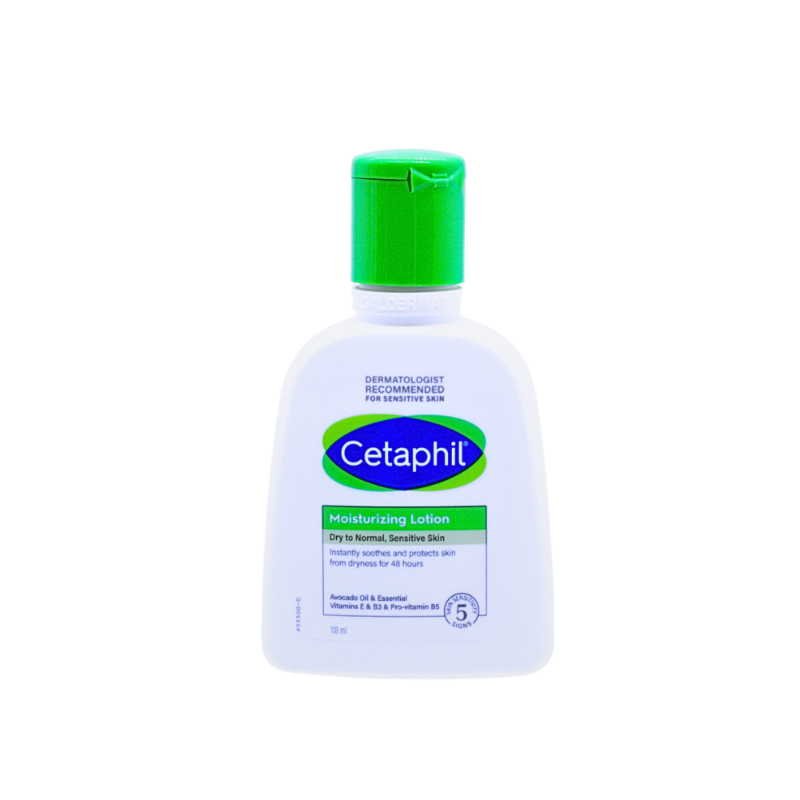
Skin And Body Care > Moisturizers
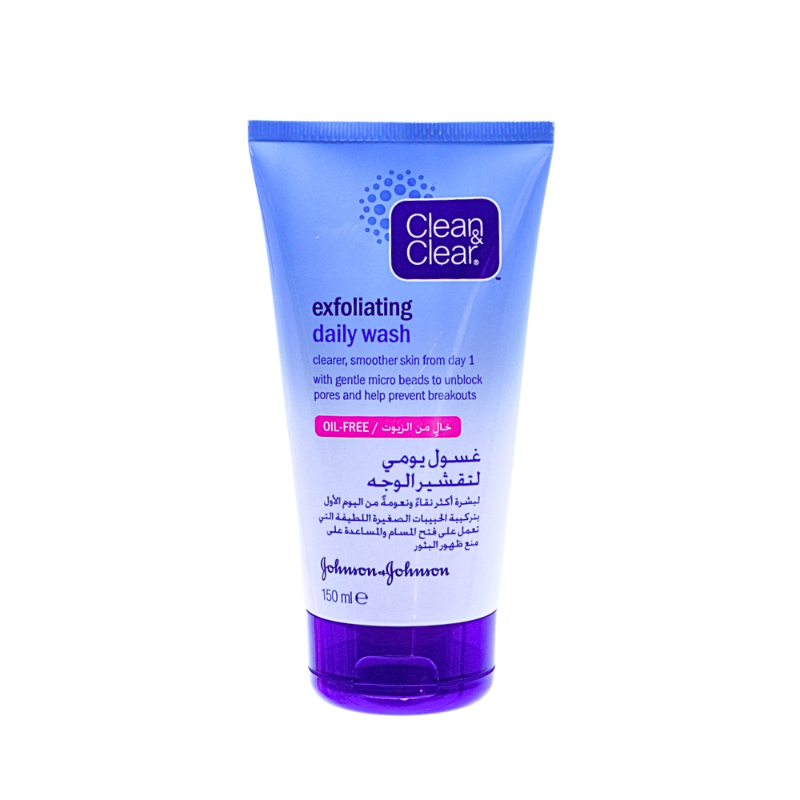
Skin And Body Care > Facial Wash And Exfoliators
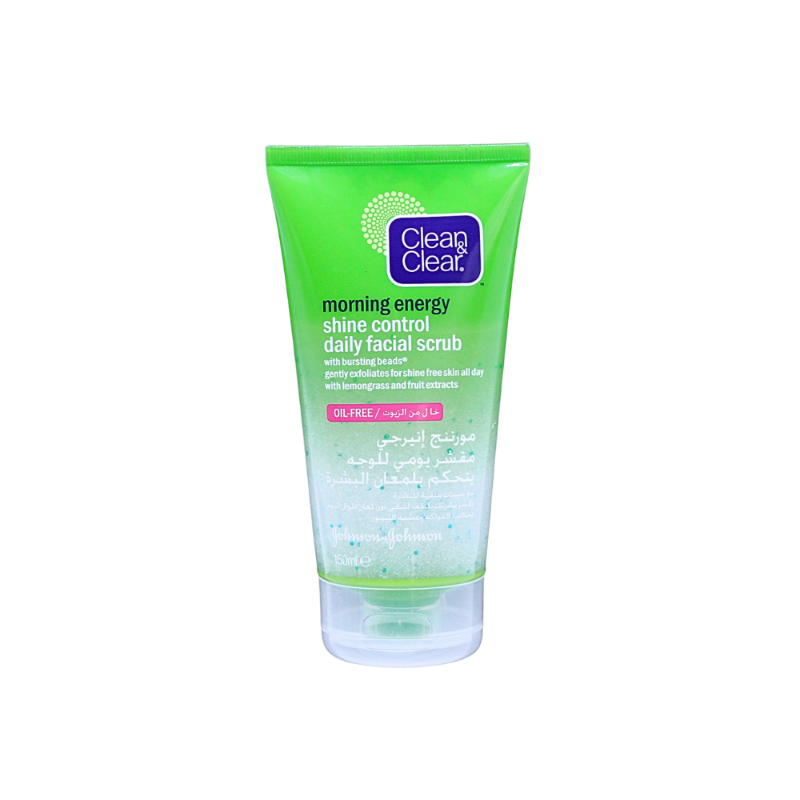
Skin And Body Care > Facial Wash And Exfoliators
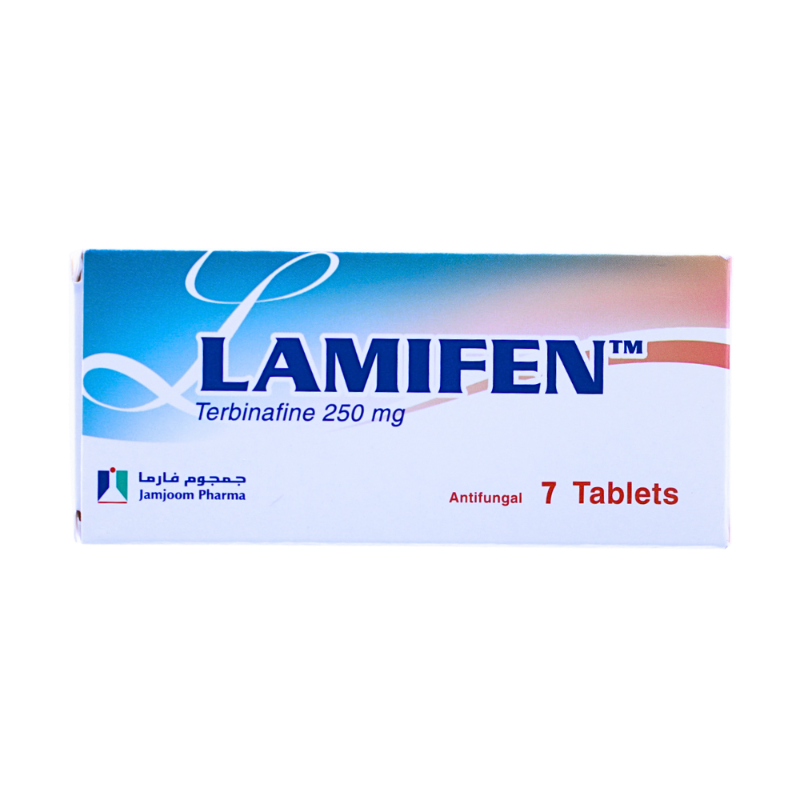
LAMIFEN 250/MG TAB 7/TAB
- Sku : I-003468
Key features
Lamifen 250mg Tablet 7 Tablets is a prescription tablet containing terbinafine 250 mg as the active ingredient. It inhibits fungal squalene epoxidase, causing squalene accumulation and ergosterol depletion in the fungal cell membrane to produce fungicidal activity. It is indicated for onychomycosis of the toenail or fingernail due to dermatophytes (tinea unguium). Available as a pack of 7 tablets.- Brand: LAMIFEN
- Active Ingredient: TERBINAFINE 250mg
- Strength: 250mg
- Dosage Form: Tablet
- Pack Size: 7 Tablets
- Route: Oral use
- Prescription Status: Prescription
- Therapeutic Class: Dermatological
- Pharmacological Group: Antifungals (Topical)
- Drug Class: Allylamine Antifungal
- Manufacturer: Jamjoom Pharmaceuticals Factory Company
- Country of Origin: Saudi Arabia
- SFDA Registration No.: 68-368-04
- Shelf Life: 36 months
- Storage: do not store above 30°c
- Application: Oral
Frequently bought together
Skin And Body Care > Moisturizers
Skin And Body Care > Moisturizers
Skin And Body Care > Moisturizers
Skin And Body Care > Facial Wash And Exfoliators
Skin And Body Care > Facial Wash And Exfoliators
Indications
Approved Uses
Onychomycosis of the toenail or fingernail due to dermatophytes (tinea unguium).
Off-Label Uses
Off-label examples: Majocchi’s granuloma and other deep/refractory dermatophyte infections (e.g., tinea manuum/barbae) when systemic therapy is indicated; sporotrichosis is not a standard/typical terbinafine indication and is generally not first-line.
Dosage & Administration
Dosing by Condition
Onychomycosis: Fingernail 250 mg PO once daily for 6 weeks; Toenail 250 mg PO once daily for 12 weeks.
Initial Dose
250mg once daily.
Maintenance Dose
250mg once daily.
Maximum Dose
250mg daily for standard indications.
Dose Adjustment Notes
Avoid/use not recommended in chronic or active liver disease; not recommended when creatinine clearance <50 mL/min due to reduced clearance/limited data; no routine dose titration in otherwise normal hepatic/renal function.
How to Take
Swallow the 250 mg tablet whole with water; may be taken with or without food; take once daily at the same time each day and complete the prescribed course.
Side Effects
Common Side Effects
Headache; gastrointestinal upset (diarrhea, dyspepsia, nausea, abdominal pain, flatulence); rash/pruritus; taste disturbance; and possible elevations in liver enzymes.
Side Effect Frequency
Very common (>10%): headache; gastrointestinal effects (e.g., diarrhea, dyspepsia, nausea, abdominal pain). Common (1-10%): rash/urticaria, pruritus, arthralgia/myalgia, taste disturbance, and liver enzyme elevations. Uncommon/Rare: serious hepatotoxicity (including liver failure), severe skin reactions (SJS/TEN), and blood dyscrasias (e.g., neutropenia/agranulocytosis).
Safety & Warnings
Contraindications
Contraindicated in: hypersensitivity to terbinafine (or excipients) and chronic or active liver disease; not recommended in renal impairment with CrCl ≤50 mL/min.
Warnings & Precautions
Check baseline liver function before starting; counsel to stop and seek care for liver injury symptoms or severe rash; consider CBC if clinical concern (e.g., infection symptoms) and discontinue for neutropenia; use caution in psoriasis/lupus (may exacerbate); avoid/not recommend if CrCl ≤50 mL/min.
Drug Interactions
Drug Interactions
Key interactions: rifampicin decreases terbinafine exposure; cimetidine increases exposure; terbinafine inhibits CYP2D6 increasing levels/effects of CYP2D6 substrates (e.g., TCAs, SSRIs, some beta-blockers, class 1C antiarrhythmics such as flecainide/propafenone, MAO-B inhibitors); monitor warfarin/INR; cyclosporine levels may decrease (monitor).
Interaction Severity
MAJOR: Rifampicin/rifampin (markedly decreases terbinafine levels). MODERATE: Cimetidine and strong CYP inhibitors (e.g., fluconazole) may increase terbinafine levels; terbinafine inhibits CYP2D6 and can increase exposure to TCAs/SSRIs, some beta-blockers (e.g., metoprolol), and some antiarrhythmics-monitor/adjust as needed. MODERATE (monitor): Warfarin (INR variability reported).
Food Interaction
No food restriction; may be taken with or without food.
Special Populations
Pregnancy
Category B
Elderly
Standard adult dosing. Caution should be exercised in patients with pre-existing renal or hepatic impairment.
Kidney Impairment
Not recommended when creatinine clearance ≤50 mL/min; no adjustment needed when CrCl >50 mL/min.
Liver Impairment
No dose adjustment is recommended because oral terbinafine is contraindicated in chronic or active liver disease; if used despite history of liver issues, it requires specialist oversight and close LFT monitoring.
Storage & Patient Advice
Missed Dose
Take the missed dose as soon as remembered; if it is close to the next dose, skip the missed dose and resume the regular schedule; do not double doses.
Stopping the Medicine
Do not stop early without prescriber advice; stop immediately and seek medical care if symptoms of liver injury, severe rash (e.g., SJS/TEN), or significant blood dyscrasia occur.
Overdose
Expected symptoms include headache, nausea/vomiting, epigastric/abdominal pain, dizziness (± rash); management is supportive with consideration of activated charcoal if recent ingestion (and other decontamination per toxicology advice).
Patient Counseling
Complete the full course as prescribed; for nail infections, visible improvement may take weeks to months as the nail grows out. Seek urgent care for signs of liver injury (persistent nausea/vomiting, right‑upper‑quadrant pain, jaundice, dark urine, pale stools) and stop/seek advice if a severe rash, fever, or sore throat occurs (possible serious skin reaction or blood dyscrasia). Report taste/smell changes or depression symptoms if significant. Avoid excessive alcohol and check with a clinician/pharmacist before starting new medicines (terbinafine inhibits CYP2D6). Not recommended in pregnancy unless clearly needed; breastfeeding is generally not recommended during oral therapy. Keep tablets in the blister, store ≤30°C, and do not share prescription medicines.
Monitoring Requirements
Obtain baseline liver function tests before starting; repeat LFTs if treatment is prolonged (commonly around 4-6 weeks) or if symptoms of hepatotoxicity occur; CBC only if clinical concern for blood dyscrasia (e.g., infection, sore throat, bruising).
Pharmacology
Mechanism of Action
Inhibits fungal squalene epoxidase, causing squalene accumulation and ergosterol depletion in the fungal cell membrane, leading to fungicidal activity against dermatophytes.
Onset of Action
Antifungal activity begins early, but clinical improvement depends on tissue turnover-skin infections often improve within 1-2 weeks, while nail infections may take months to appear improved due to nail regrowth.
Duration of Effect
Terbinafine persists in skin and nails for weeks to months after therapy due to high keratin/tissue binding.
Half-Life
Effective half-life for dosing is ~36 hours; terminal half-life is prolonged (~16.5 days, i.e., ~400 hours) due to slow release from skin/adipose.
Bioavailability
Approximately 40% (often cited ~40-50%) due to first-pass metabolism.
Metabolism
Extensive hepatic metabolism via multiple CYPs (not a single primary pathway), commonly including CYP1A2, CYP2C9, CYP2C19, CYP3A4 (and also CYP2C8/2D6 involvement reported); terbinafine is a clinically relevant CYP2D6 inhibitor.
Excretion
After 4 weeks of treatment, up to 70% of the dose is excreted in urine; less than 40% is excreted in feces.
Protein Binding
>99%.
Product Information
Available Dosage Forms
Tablet (oral)
Composition per Dose
Each tablet: 250mg terbinafine (as hydrochloride)
Generic Availability
Yes
OTC Alternatives
For mild superficial tinea (skin): OTC topical antifungals such as terbinafine 1% cream, clotrimazole 1% cream, or miconazole 2% cream; there is no OTC oral alternative for onychomycosis/tinea capitis.
Application
Oral
Reviewed by Al Mujtama Pharmacy Medical Review Team. Last reviewed 08-08-2026
Similar Products
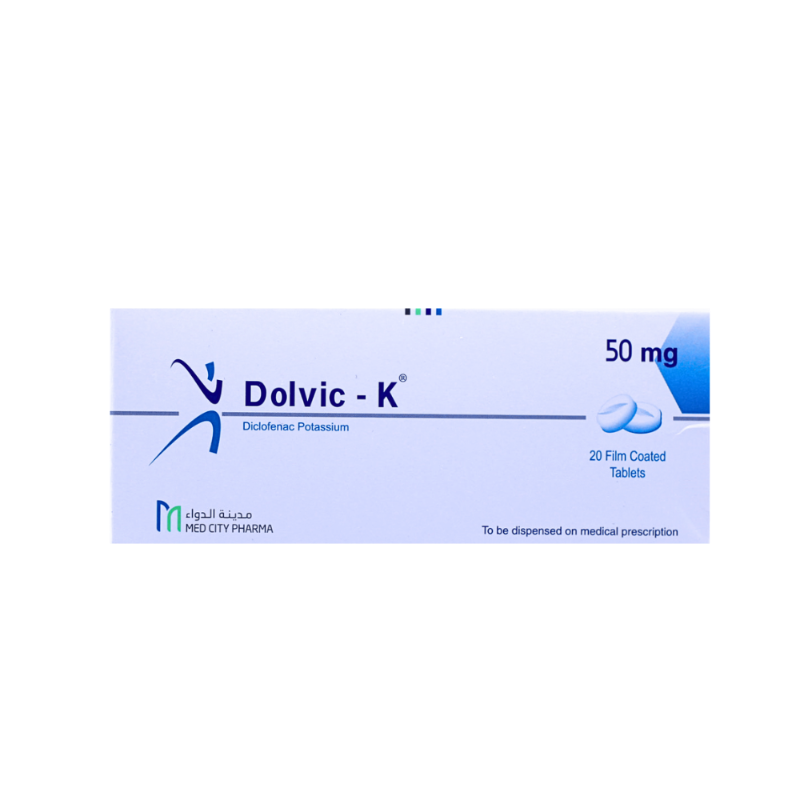
Medications > Painkillers and Antipyretics
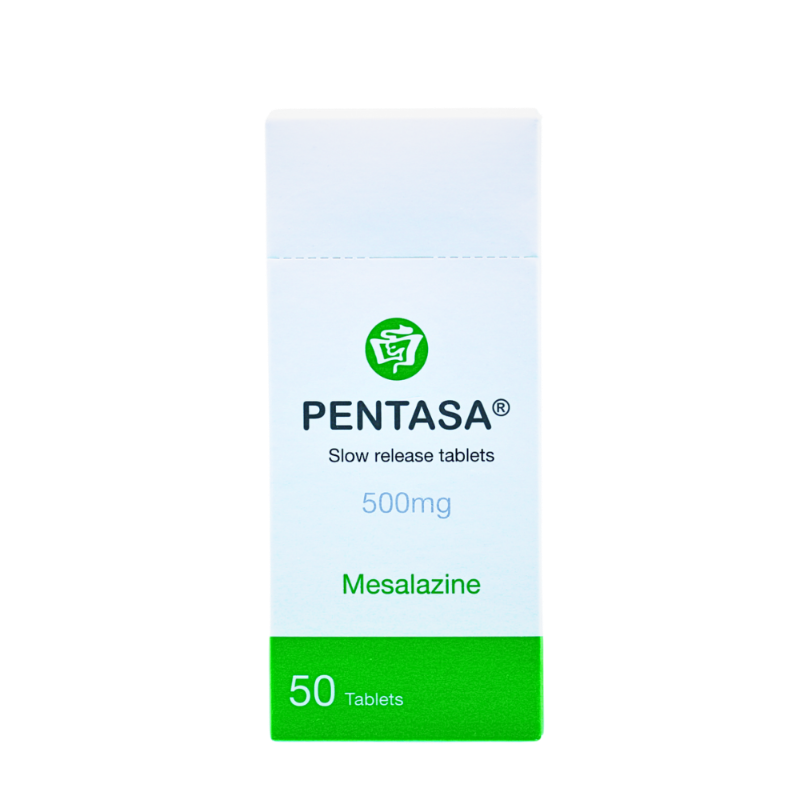
Medications > Gastrointestinal Medications
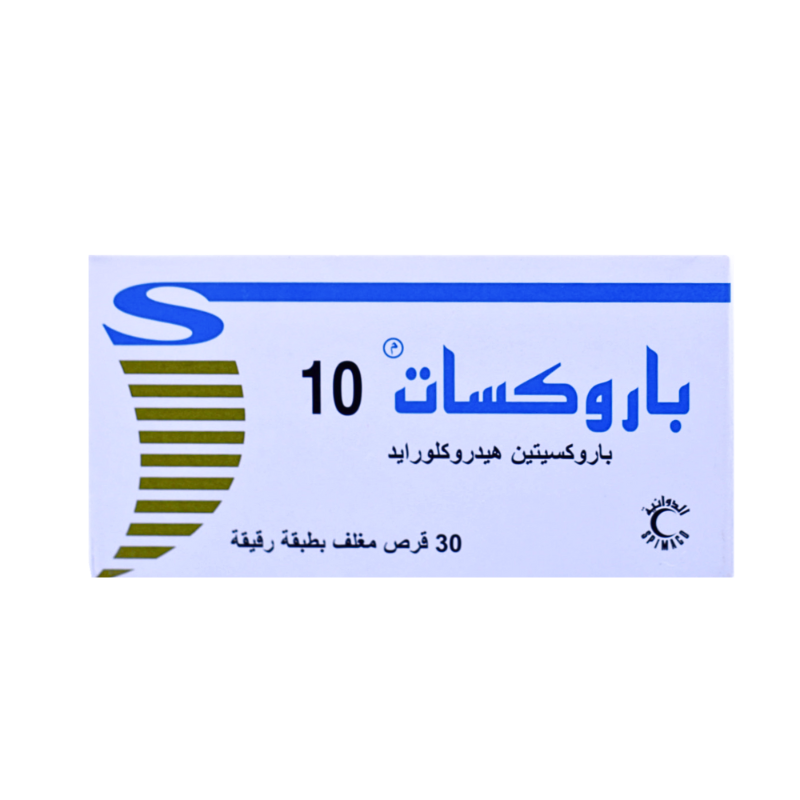
Medications > Psychiatric Medications
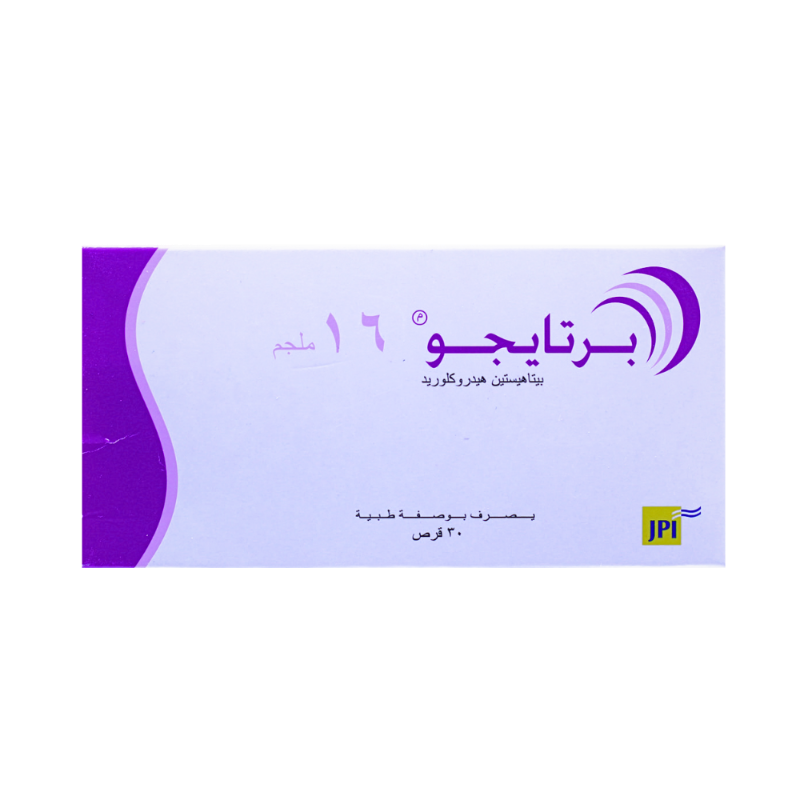
Medications > Other Medicines
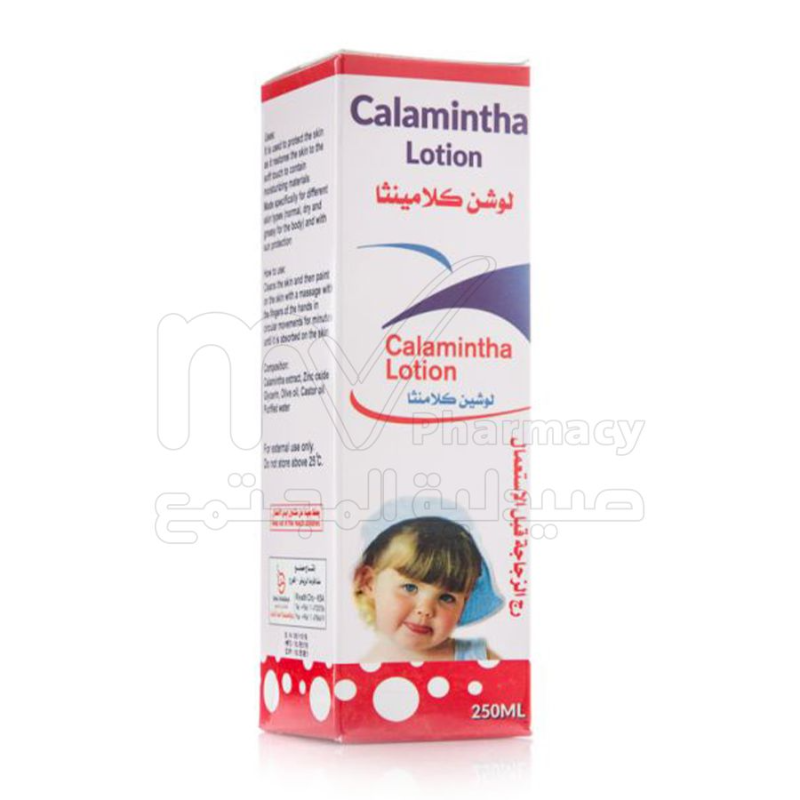
Medications > Dermatology Medications
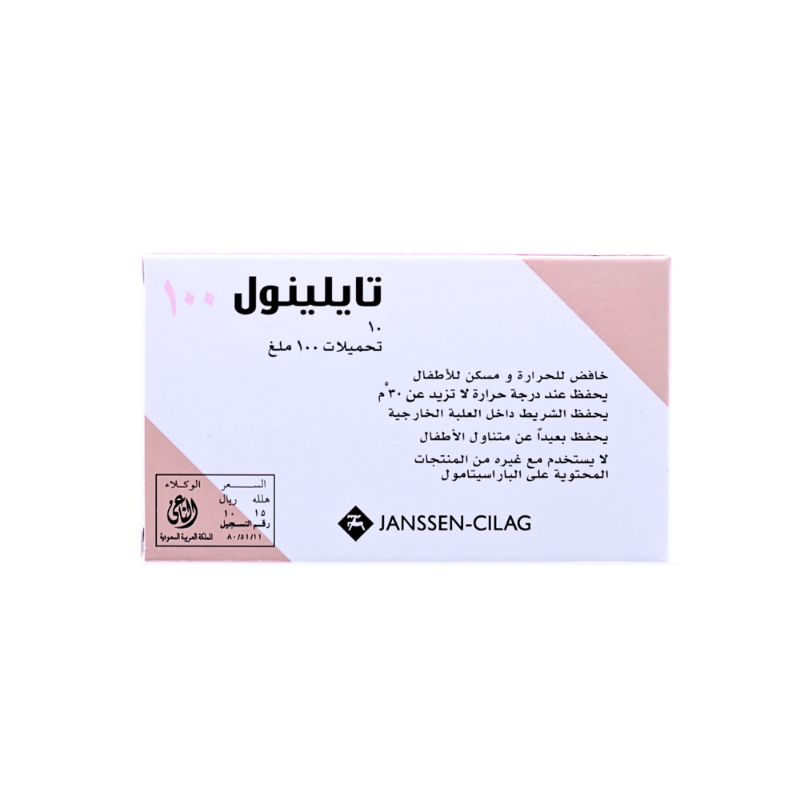
Medications > Painkillers and Antipyretics
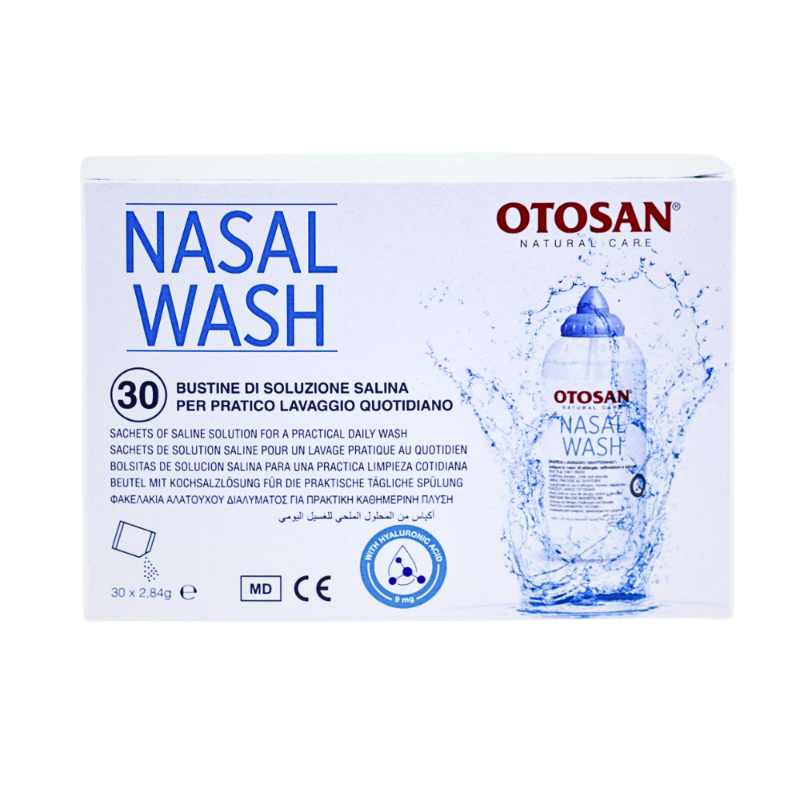
Medications > Eye and Ear Medications
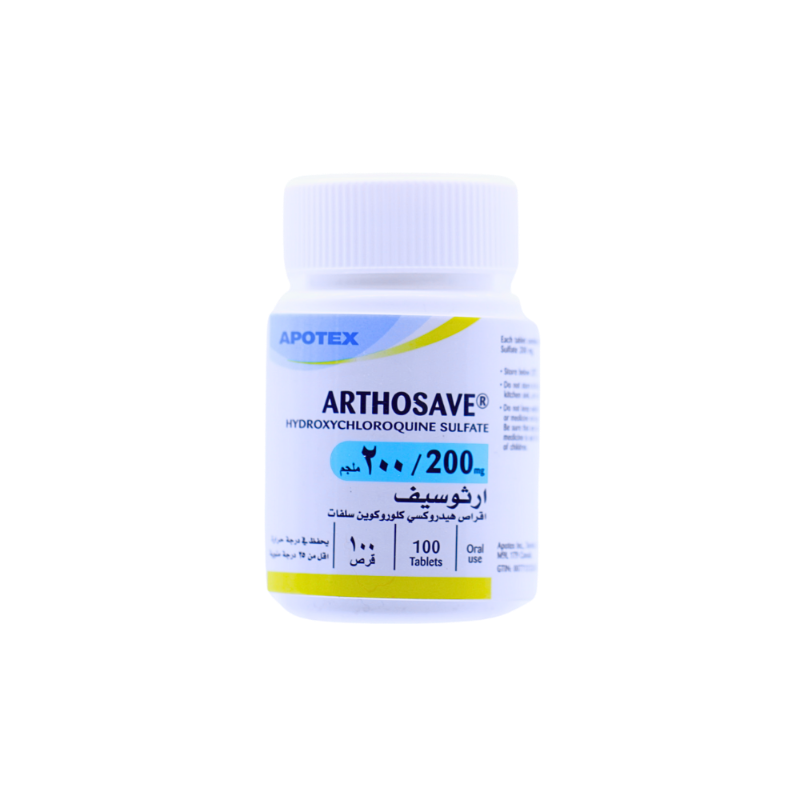
Medications > Painkillers and Antipyretics
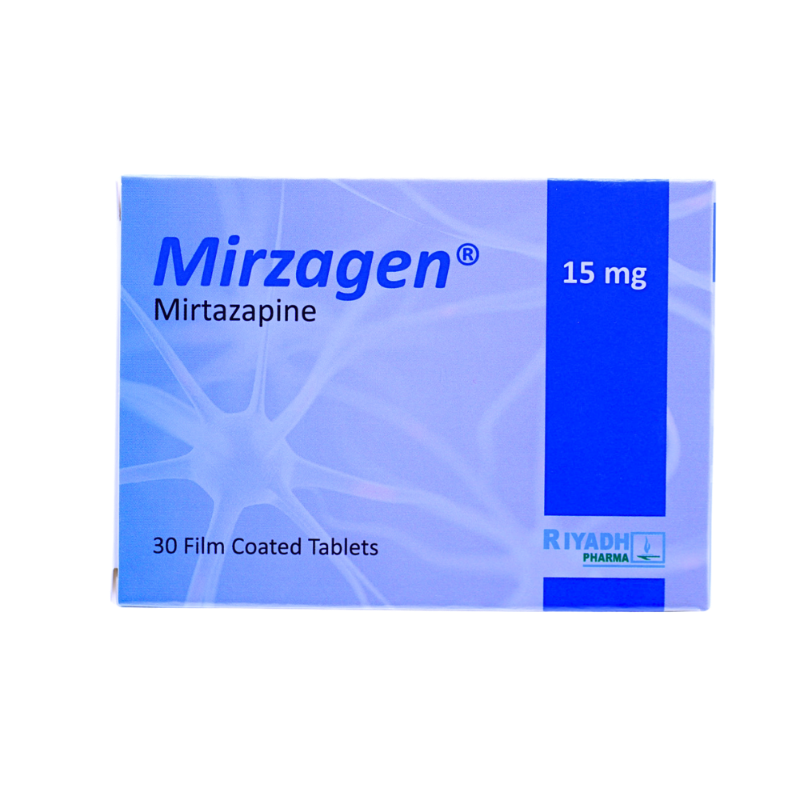
Medications > Psychiatric Medications
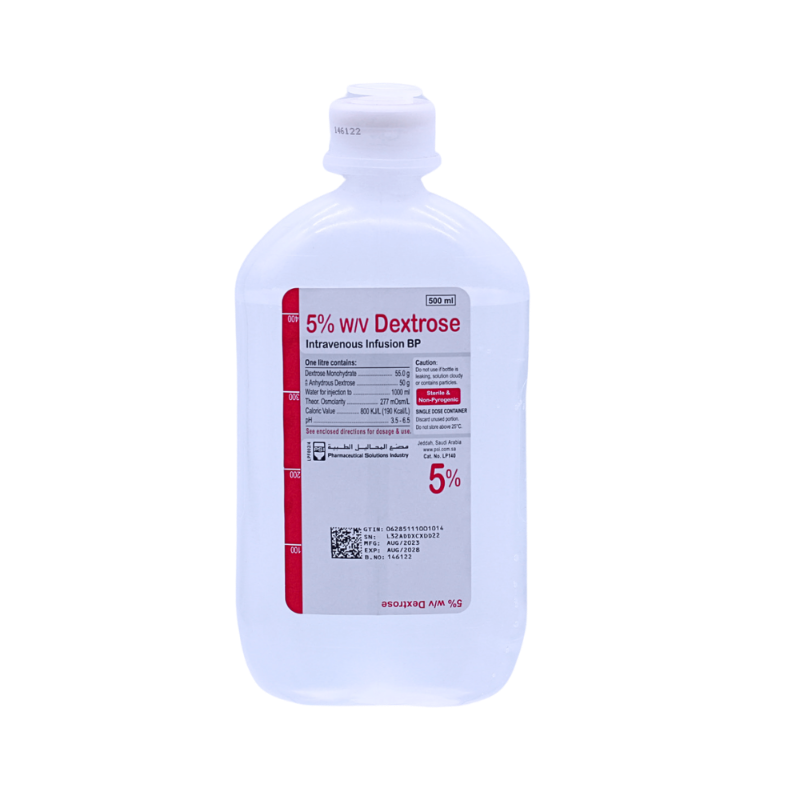
Medications > Other Medicines
