
Use Code: SAVE26 And Get 30% OFF | Get Free Delivery With No Minimum Order
-1744229570.gif "Almujtama Pharmacy logo")




Frequently bought together
Skin And Body Care > Moisturizers
Skin And Body Care > Moisturizers
Skin And Body Care > Moisturizers
Skin And Body Care > Facial Wash And Exfoliators
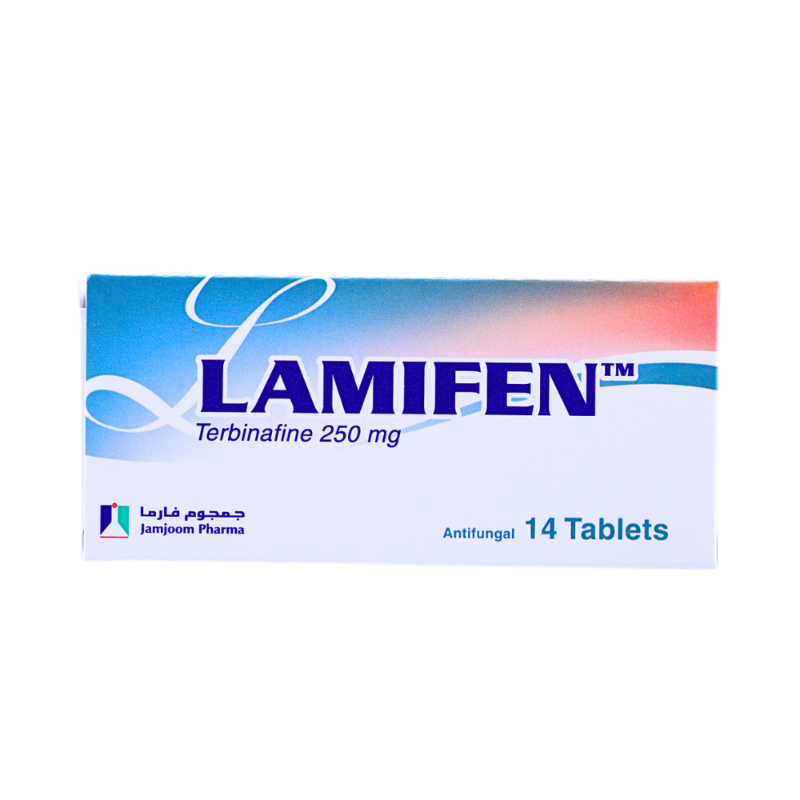
LAMIFEN 250/MG TAB 14/TAB
- Sku : I-003467
Key features
LAMIFEN 250 mg tablet contains terbinafine 250 mg as the active ingredient. It is an allylamine antifungal that inhibits squalene epoxidase, disrupting ergosterol synthesis and causing fungal cell membrane damage. It is indicated for the treatment of onychomycosis of the toenails or fingernails due to dermatophytes (tinea unguium). Available by prescription in tablet form, pack of 14 tablets.- Brand: LAMIFEN
- Active Ingredient: TERBINAFINE 250mg
- Strength: 250mg
- Dosage Form: Tablet
- Pack Size: 14 Tablets
- Route: Oral use
- Prescription Status: Prescription
- Therapeutic Class: Dermatological
- Pharmacological Group: Antifungals (Topical)
- Drug Class: Allylamine Antifungal
- Manufacturer: Jamjoom Pharmaceuticals Factory Company
- Country of Origin: Saudi Arabia
- SFDA Registration No.: 0111222862
- Shelf Life: 36 months
- Storage: do not store above 30°c
- Application: Oral
Frequently bought together
Skin And Body Care > Moisturizers
Skin And Body Care > Moisturizers
Skin And Body Care > Moisturizers
Skin And Body Care > Facial Wash And Exfoliators
Indications
Approved Uses
Onychomycosis of the toenail or fingernail due to dermatophytes (tinea unguium).
Off-Label Uses
Off-label: Some non-dermatophyte superficial fungal infections have been treated with oral terbinafine, but it is generally not effective for pityriasis (tinea) versicolor and is not a preferred agent for cutaneous candidiasis; oral use for routine tinea pedis/cruris/corporis is typically on-label or guideline-supported when systemic therapy is needed (not off-label).
Dosage & Administration
Dosing by Condition
Adults: Onychomycosis-250 mg once daily for 6 weeks (fingernail) or 12 weeks (toenail). Tinea capitis-250 mg once daily typically 4-6 weeks. Tinea corporis/cruris-250 mg once daily for 2-4 weeks. Tinea pedis-250 mg once daily for 2-6 weeks (when oral therapy is indicated).
Initial Dose
250mg once daily.
Maintenance Dose
250mg once daily.
Maximum Dose
250mg per day
Children's Dosage
Tinea capitis (children ≥4 years or >20kg): weight-based dosing - <20kg: 62.5mg/day; 20-40kg: 125mg/day; >40kg: 250mg/day for 4 weeks. Not approved for onychomycosis in children.
Dose Adjustment Notes
Avoid/contraindicated in chronic or active liver disease; not recommended in severe renal impairment (e.g., CrCl <50 mL/min) due to reduced clearance/limited data; no routine dose titration for standard adult indications.
How to Take
Swallow the tablet whole with water; may be taken with or without food; take once daily at the same time each day and complete the full prescribed course.
Side Effects
Common Side Effects
Headache; gastrointestinal upset (diarrhea, dyspepsia, nausea, abdominal pain); rash/urticaria; taste disturbance (dysgeusia); and possible elevations in liver enzymes.
Side Effect Frequency
Very common (≥10%): headache; gastrointestinal effects (e.g., diarrhea, dyspepsia, nausea, abdominal pain/fullness). Common (1-10%): rash/pruritus/urticaria, taste disturbance, liver enzyme elevations. Rare/very rare: hepatotoxicity/liver failure, serious skin reactions (SJS/TEN), blood dyscrasias (e.g., neutropenia/agranulocytosis).
Safety & Warnings
Contraindications
Hypersensitivity to terbinafine (or any excipient) and chronic or active liver disease.
Warnings & Precautions
Baseline liver function tests before starting and repeat if symptoms/signs of liver injury occur (routine periodic monitoring is commonly recommended in practice); stop terbinafine if hepatotoxicity or severe rash occurs; counsel on taste/smell disturbance (may be prolonged) and discontinue if severe; consider CBC if immunocompromised or if symptoms of infection occur/therapy is prolonged; use caution in psoriasis and lupus due to possible exacerbation.
Age Restriction
For this product (oral terbinafine 250 mg tablet): onychomycosis-safety/efficacy not established in pediatric patients (<18 years); tinea capitis-pediatric use is supported for age ≥4 years in some jurisdictions but is not an approved indication for the 250 mg tablet in many labels (often oral granules are the labeled pediatric formulation).
Drug Interactions
Drug Interactions
Key interactions: rifampin decreases terbinafine exposure (induces metabolism); cimetidine increases terbinafine exposure (inhibits metabolism); terbinafine inhibits CYP2D6-can increase effects/levels of CYP2D6 substrates (e.g., TCAs, SSRIs, some beta-blockers, antiarrhythmics, dextromethorphan; may reduce codeine/tramadol activation); warfarin-possible INR changes; cyclosporine-may reduce cyclosporine concentrations; strong azole inhibitors (e.g., fluconazole) can increase terbinafine exposure.
Interaction Severity
MAJOR/clinically significant: Rifampin (markedly decreases terbinafine exposure); strong CYP2D6-substrate drugs with narrow therapeutic index may require close monitoring/dose adjustment due to terbinafine CYP2D6 inhibition (e.g., some TCAs/SSRIs, certain beta-blockers, antiarrhythmics). MODERATE: Cimetidine/other CYP inhibitors (increase terbinafine levels); warfarin (reports of INR changes-monitor); cyclosporine (possible level reduction-monitor). SPECIAL NOTE: Tamoxifen effectiveness may be reduced via CYP2D6 inhibition (clinically important).
Food Interaction
No clinically significant food interaction; may be taken with or without food.
Special Populations
Pregnancy
Category B
Children
Tinea capitis (children ≥4 years or >20kg): weight-based dosing - <20kg: 62.5mg/day; 20-40kg: 125mg/day; >40kg: 250mg/day for 4 weeks. Not approved for onychomycosis in children.
Elderly
Standard adult dosing; monitor renal and hepatic function as age-related decline may affect drug clearance
Liver Impairment
Contraindicated in chronic or active liver disease; avoid/not recommended in patients with hepatic impairment and discontinue if liver injury develops.
Storage & Patient Advice
Missed Dose
Take the missed dose as soon as remembered unless it is close to the next scheduled dose; if close, skip the missed dose and resume the regular schedule-do not double doses.
Stopping the Medicine
Do not stop early without prescriber advice; complete the prescribed course, and stopping is appropriate once the full course is completed or if significant adverse effects occur and a clinician instructs discontinuation.
Patient Counseling
Complete the prescribed course; take once daily and may be taken with or without food. Seek urgent medical advice and stop the medicine if signs of liver injury occur (persistent nausea/vomiting, loss of appetite, unusual fatigue, dark urine, pale stools, jaundice) or if a new/worsening rash or blistering occurs. Report taste or smell changes (may persist after stopping). Avoid or minimize alcohol and inform the prescriber/pharmacist about all other medicines (notably warfarin/other anticoagulants, antidepressants/TCAs/SSRIs, beta‑blockers, antiarrhythmics, cimetidine, rifampicin, cyclosporine) due to interaction potential. For nail infections, visible improvement may take months after finishing therapy; do not share medication.
Monitoring Requirements
Obtain baseline liver function tests before starting; repeat LFTs if symptoms/signs of hepatotoxicity occur (and consider repeat during prolonged courses per local practice). Consider CBC if clinical features suggest blood dyscrasia.
Pharmacology
Mechanism of Action
Inhibits squalene epoxidase, a key enzyme in fungal ergosterol biosynthesis, leading to squalene accumulation and ergosterol deficiency, causing fungal cell membrane disruption and cell death (fungicidal)
Onset of Action
Antifungal activity begins soon after initiation, but clinical improvement-especially for onychomycosis-may not be evident until weeks to months and can continue after therapy as the nail grows out.
Duration of Effect
Terbinafine persists in keratinized tissues (skin, hair, nails) for weeks to months after stopping therapy, especially in nails.
Half-Life
Effective plasma half‑life ~36 hours; terminal half‑life ~200-400 hours due to slow release from skin/adipose/nail tissues.
Bioavailability
Approximately 70% oral bioavailability (systemic availability reduced by first‑pass metabolism).
Metabolism
Extensive hepatic metabolism via multiple CYP enzymes (notably CYP2C9, CYP1A2, CYP3A4, CYP2C8, CYP2C19) and terbinafine is a CYP2D6 inhibitor.
Excretion
Primarily renal excretion as metabolites (~70% in urine) with the remainder mainly in feces (~20-30%).
Protein Binding
>99%
Product Information
Available Dosage Forms
For this SFDA product (LAMIFEN): Oral tablet only.
Composition per Dose
Each tablet: 250mg terbinafine as terbinafine hydrochloride.
Generic Availability
Yes
OTC Alternatives
For superficial skin tinea (not nails/scalp): OTC topical antifungals such as terbinafine 1% cream/gel/spray (where OTC), clotrimazole 1%, or miconazole 2%; oral terbinafine (this product) is prescription-only per SFDA.
Application
Oral
Reviewed by Al Mujtama Pharmacy Medical Review Team. Last reviewed 04-05-2026
Similar Products
Medications > Cold, Cough, and Allergy Medications
Medications > Sexual Health
Medications > Cold, Cough, and Allergy Medications
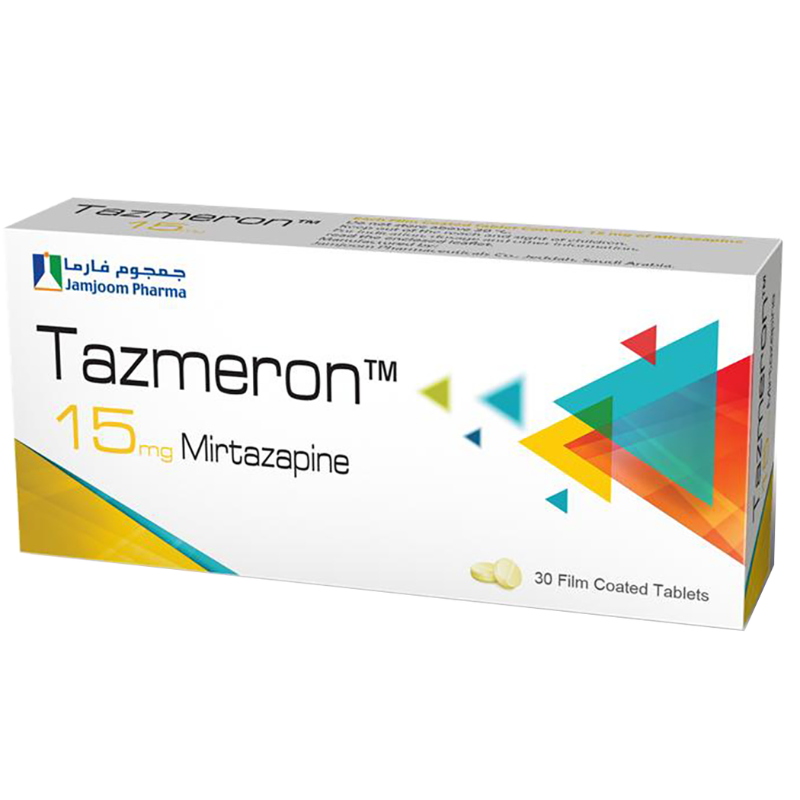
Medications > Psychiatric Medications
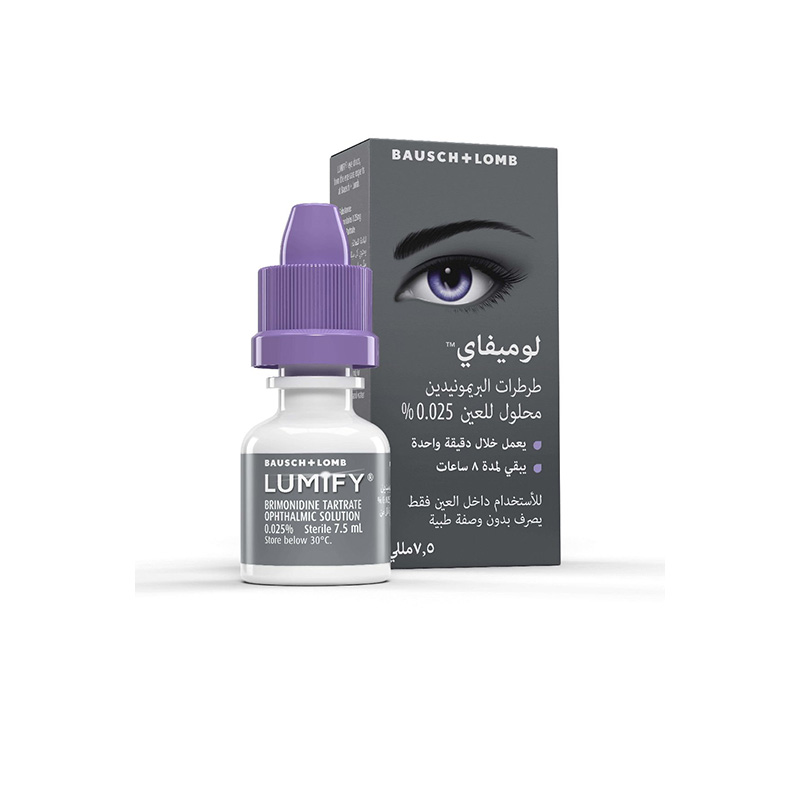
Medications > Eye and Ear Medications
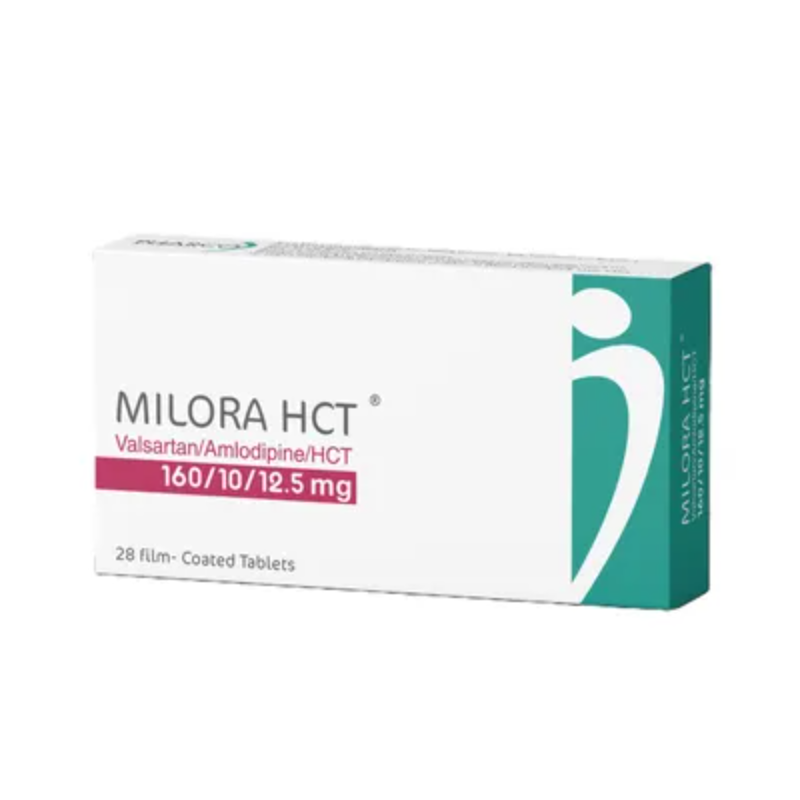
Medications > Hypertesion & Cardiovascular Medications
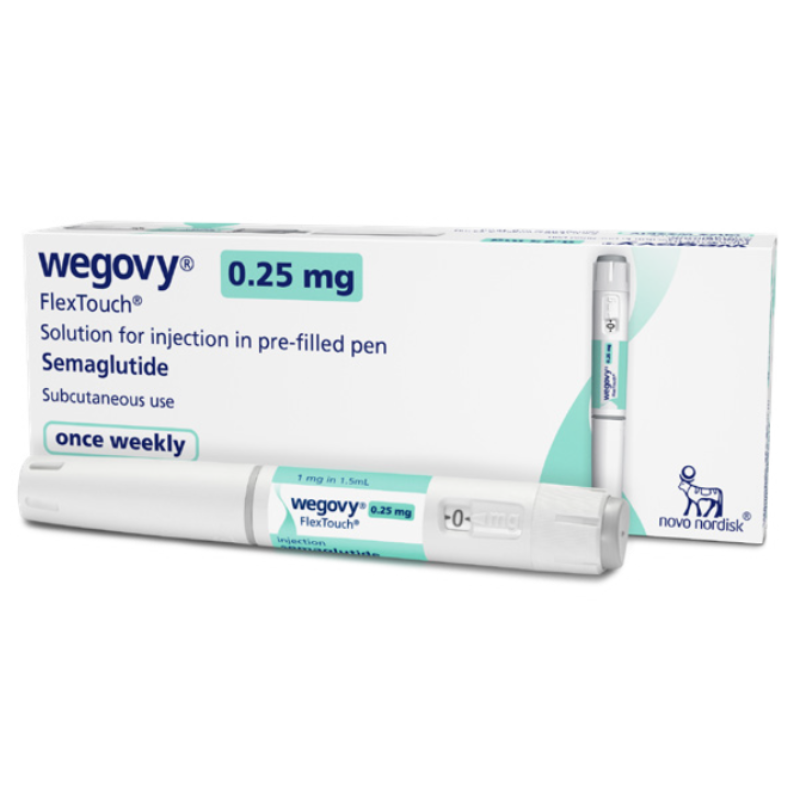

Medications > Diabetes Medications

Medications > Psychiatric Medications
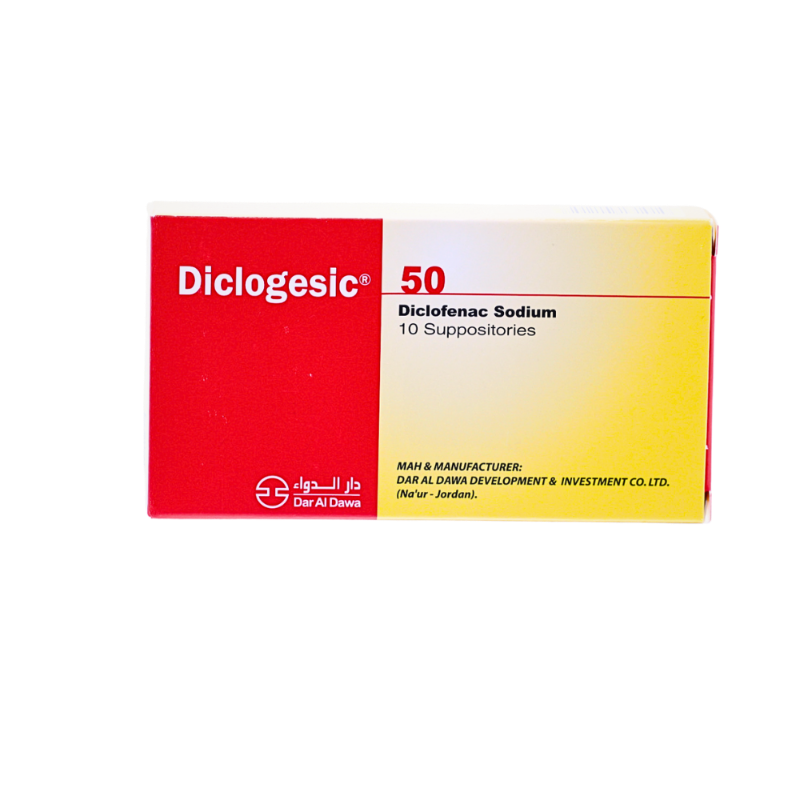
Medications > Painkillers and Antipyretics

Medications > Gastrointestinal Medications
