
Use Code: SAVE26 And Get 30% OFF | Get Free Delivery With No Minimum Order
-1744229570.gif "Almujtama Pharmacy logo")




Frequently bought together

Vitamins & Supplements > Vitamin_D & Bone Health
Vitamins & Supplements > Vitamins and Minerals
Vitamins & Supplements > Vitamins and Minerals

Vitamins & Supplements > Vitamin_D & Bone Health
Vitamins & Supplements > Vitamins and Minerals
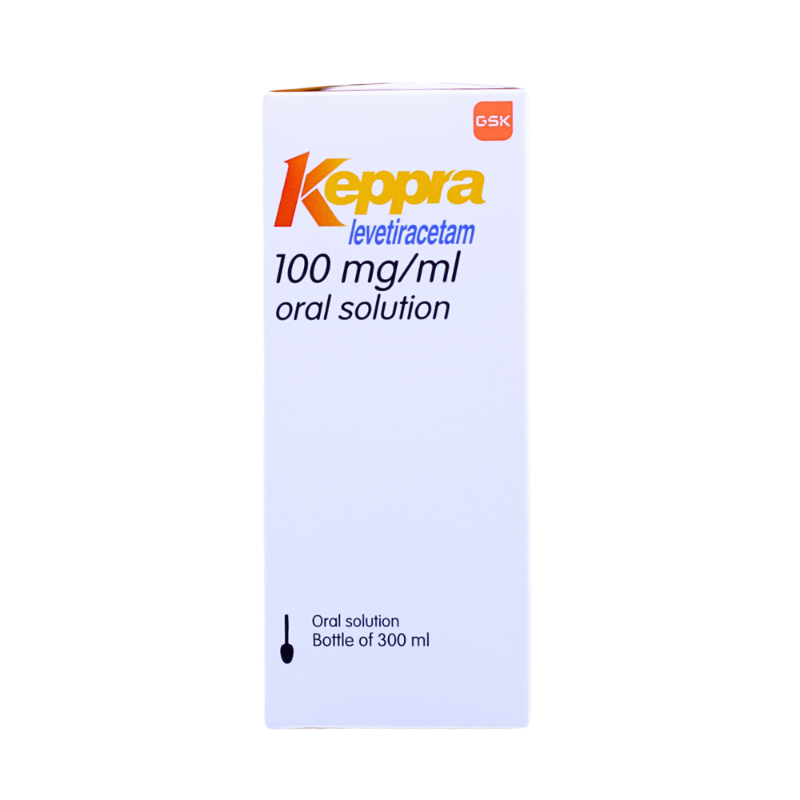
KEPPRA 100/MG/ML ORAL SOLUTION 300ML
- Sku : I-003224
Key features
KEPPRA 100 mg/mL Oral Solution is a prescription antiepileptic oral solution containing levetiracetam 100 mg/mL. It binds to the synaptic vesicle protein SV2A, modulating neurotransmitter release and thereby reducing neuronal hyperexcitability; additional proposed effects (e.g., modulation of calcium currents and inhibitory neurotransmission) are considered secondary and not fully established clinically. KEPPRA is indicated as adjunctive therapy for partial‑onset seizures in patients 1 month and older, for myoclonic seizures in patients 12 years and older with juvenile myoclonic epilepsy, and for primary generalized tonic‑clonic seizures in patients 6 years and older with idiopathic generalized epilepsy; it is also approved as monotherapy for partial‑onset seizures in patients 16 years and older. Available as a 300 mL oral solution (100 mg/mL).- Brand: KEPPRA
- Active Ingredient: LEVETIRACETAM 100mg/ml
- Strength: 100mg/ml
- Dosage Form: Oral solution
- Pack Size: 300 ml
- Route: Oral use
- Prescription Status: Prescription
- Therapeutic Class: Anticonvulsant
- Pharmacological Group: Antiepileptics
- Drug Class: Antiepileptic drug; pyrrolidone (pyrrolidine) derivative; synaptic vesicle protein 2A (SV2A) ligand.
- Manufacturer: NEXT PHARMA
- Country of Origin: France
- SFDA Registration No.: 2701256759
- Shelf Life: 36 months
- Storage: store below 30°c
- Also Used For: Partial onset seizures, Myoclonic seizures in JME, Primary generalized tonic-clonic seizures in idiopathic generalized epilepsy
Frequently bought together
Vitamins & Supplements > Vitamin_D & Bone Health
Vitamins & Supplements > Vitamins and Minerals
Vitamins & Supplements > Vitamins and Minerals
Vitamins & Supplements > Vitamin_D & Bone Health
Vitamins & Supplements > Vitamins and Minerals
Indications
Approved Uses
Adjunctive therapy for partial-onset seizures in patients 1 month and older, myoclonic seizures in patients 12 years and older with juvenile myoclonic epilepsy, and primary generalized tonic-clonic seizures in patients 6 years and older with idiopathic generalized epilepsy. Monotherapy for partial-onset seizures in patients 16 years and older.
Dosage & Administration
Dosing by Condition
Adults (IR, adjunct or mono where indicated): Partial-onset seizures: start 500 mg twice daily; increase by 500 mg twice daily every 2 weeks to max 1500 mg twice daily. Juvenile myoclonic epilepsy (≥12 years): start 500 mg twice daily; increase by 500 mg twice daily every 2 weeks to max 1500 mg twice daily. Primary generalized tonic-clonic seizures (≥6 years per many labels; adolescents/adults commonly cited): start 500 mg twice daily; increase by 500 mg twice daily every 2 weeks to max 1500 mg twice daily. Pediatrics (partial-onset): 4-16 years: start 10 mg/kg twice daily; increase by 10 mg/kg twice daily every 2 weeks to max 30 mg/kg twice daily; 1 month-<4 years: start 7 mg/kg twice daily; increase by 7 mg/kg twice daily every 2 weeks to max 21 mg/kg twice daily.
Initial Dose
500mg twice daily (adults); 10mg/kg twice daily (children 4-16 years)
Maintenance Dose
1000-3000mg/day in two divided doses (adults)
Maximum Dose
3000mg/day (adults); 60mg/kg/day (children)
Children's Dosage
Dosing is weight-based and varies by age and indication. For partial-onset seizures: 1 to <6 months: 7 mg/kg twice daily, up to 21 mg/kg twice daily. 6 months to <4 years: 10 mg/kg twice daily, up to 25 mg/kg twice daily. 4 to <16 years: 10 mg/kg twice daily, up to 30 mg/kg twice daily.
Dose Adjustment Notes
Adjust dose in renal impairment based on creatinine clearance; no adjustment is generally needed for mild-moderate hepatic impairment, but in severe hepatic impairment with reduced renal function (e.g., CrCl <60 mL/min/1.73 m²) a ~50% reduction of the daily maintenance dose is recommended; titration is typically in 2-week intervals as clinically needed.
How to Take
Oral use; administer twice daily (approximately 12 hours apart) with or without food; measure each dose with a calibrated oral syringe/measuring device (do not use a household spoon); may be taken directly or diluted in a small amount of water/soft food and taken immediately; do not stop abruptly.
How to Prepare
Ready-to-use oral solution; no reconstitution required. Shake gently if instructed by the product label and measure with the supplied dosing device.
Side Effects
Common Side Effects
Somnolence, asthenia/fatigue, dizziness, headache, irritability/behavioral changes (including aggression), nasopharyngitis/infection, decreased appetite, and gastrointestinal upset (nausea/vomiting/diarrhea).
Side Effect Frequency
Very common (≥10%): somnolence, asthenia/fatigue, headache, nasopharyngitis. Common (1-10%): dizziness, irritability/nervousness, aggression/hostility, depression/anxiety, insomnia, anorexia, tremor, vertigo, balance disorder, nausea, vomiting, diarrhea, abdominal pain/dyspepsia, rash. Uncommon/rare: psychotic symptoms/hallucinations, suicidal ideation/behavior, blood dyscrasias (e.g., leukopenia, thrombocytopenia), alopecia.
Safety & Warnings
Warnings & Precautions
Monitor for behavioral/psychiatric changes and suicidality; risk of severe skin reactions (SJS/TEN/DRESS); avoid abrupt discontinuation; adjust dose in renal impairment; consider monitoring CBC if clinically indicated; oral solution excipients (e.g., maltitol) may be relevant in hereditary fructose intolerance.
Age Restriction
Partial-onset seizures: ≥1 month of age; Myoclonic seizures (JME): ≥12 years; Primary generalized tonic-clonic seizures (idiopathic generalized epilepsy): ≥6 years.
Driving Warning
May Cause Drowsiness
Drug Interactions
Drug Interactions
Clinically important interactions are limited; additive CNS depression with alcohol/other sedatives is possible; probenecid can increase the inactive metabolite (not parent drug) by reducing renal tubular secretion; methotrexate: possible reduced clearance/increased MTX toxicity-monitor; oral contraceptives: no clinically significant interaction.
Interaction Severity
Clinically relevant interactions are mainly pharmacodynamic: additive CNS depression with alcohol, opioids, benzodiazepines and other sedatives (generally moderate; counsel to avoid/limit alcohol). Probenecid can increase exposure to the inactive metabolite (usually not clinically significant). No clinically significant interaction with combined oral contraceptives; antacids are not a meaningful interaction.
Food Interaction
No clinically significant food restriction; may be taken with or without food.
Special Populations
Pregnancy
Caution
Breastfeeding
Caution
Children
Dosing is weight-based and varies by age and indication. For partial-onset seizures: 1 to <6 months: 7 mg/kg twice daily, up to 21 mg/kg twice daily. 6 months to <4 years: 10 mg/kg twice daily, up to 25 mg/kg twice daily. 4 to <16 years: 10 mg/kg twice daily, up to 30 mg/kg twice daily.
Elderly
Start at a lower dose and titrate slowly. Dose adjustment is recommended based on renal function, as creatinine clearance decreases with age.
Kidney Impairment
CrCl 50-79 mL/min: 500-1000 mg q12h; CrCl 30-49 mL/min: 250-750 mg q12h; CrCl <30 mL/min: 250-500 mg q12h; ESRD on dialysis: 500-1000 mg q24h plus 250-500 mg supplemental dose after dialysis.
Liver Impairment
No adjustment for mild-moderate hepatic impairment; in severe hepatic impairment, reduce maintenance dose by ~50% only if there is concomitant renal impairment (e.g., CrCl <60 mL/min).
Storage & Patient Advice
Preparation Instructions
Ready-to-use oral solution; no reconstitution required. Shake gently if instructed by the product label and measure with the supplied dosing device.
Stopping the Medicine
Do not stop abruptly - taper gradually over a minimum of 2 weeks to reduce the risk of increased seizure frequency.
Overdose
Symptoms: somnolence, agitation/aggression, decreased consciousness, respiratory depression, coma; Management: supportive care/airway protection, consider GI decontamination if early, no antidote; hemodialysis removes ~50% of levetiracetam over 4 hours.
Patient Counseling
Take levetiracetam oral solution exactly as prescribed (often twice daily) at the same times each day; measure doses only with the provided oral syringe/measuring device. Do not stop suddenly-taper only under prescriber direction to avoid seizure worsening. If you miss a dose, take it as soon as remembered unless it is close to the next dose; do not double. May cause dizziness/somnolence-avoid driving/operating machinery until you know your response; limit/avoid alcohol and other sedatives. Report new or worsening mood/behavior changes (irritability, aggression), depression, or suicidal thoughts immediately. Keep follow-up appointments; dose adjustments are commonly needed in kidney impairment and during pregnancy-discuss pregnancy planning/contraception and inform your clinician if pregnant. Store below 30°C and keep out of reach of children.
Monitoring Requirements
Monitor seizure control and adverse effects; monitor for neuropsychiatric symptoms (behavioral changes, depression, suicidality); assess renal function at baseline and periodically (and for dose adjustment), especially in older adults or renal impairment; routine serum drug levels are not required; CBC only if clinically indicated.
Pharmacology
Mechanism of Action
Binds to synaptic vesicle protein SV2A, modulating neurotransmitter release and reducing neuronal hyperexcitability; additional proposed effects (e.g., modulation of calcium currents and inhibitory neurotransmission) are secondary and not fully established clinically.
Onset of Action
Pharmacokinetic onset: peak plasma concentration occurs about 1 hour after oral solution (may be delayed with food); clinical seizure reduction can occur early but is typically assessed over days to weeks during titration.
Duration of Effect
Approximately 12 hours per immediate-release dose, supporting twice-daily administration.
Half-Life
6-8 hours in adults; 5-7 hours in children.
Bioavailability
Approximately 100% (essentially complete) oral bioavailability.
Metabolism
Minimal metabolism; primary pathway is enzymatic hydrolysis of the acetamide group to an inactive metabolite (non-CYP), with no clinically relevant CYP450 involvement.
Excretion
Predominantly renal: ~66% excreted unchanged in urine; ~24% excreted as the inactive carboxylic acid metabolite; total urinary recovery is ~90-95%.
Protein Binding
<10%.
Product Information
Available Dosage Forms
Immediate-release film-coated tablets, oral solution, and intravenous injection/concentrate for solution for infusion; extended-release tablets also exist in some markets but are a different product from this oral solution.
Composition per Dose
Each 1 mL: 100mg levetiracetam
Generic Availability
Yes
OTC Alternatives
No OTC alternative
Also Used For
Partial onset seizures, Myoclonic seizures in JME, Primary generalized tonic-clonic seizures in idiopathic generalized epilepsy
Reviewed by Al Mujtama Pharmacy Medical Review Team. Last reviewed 14-08-2026
Similar Products
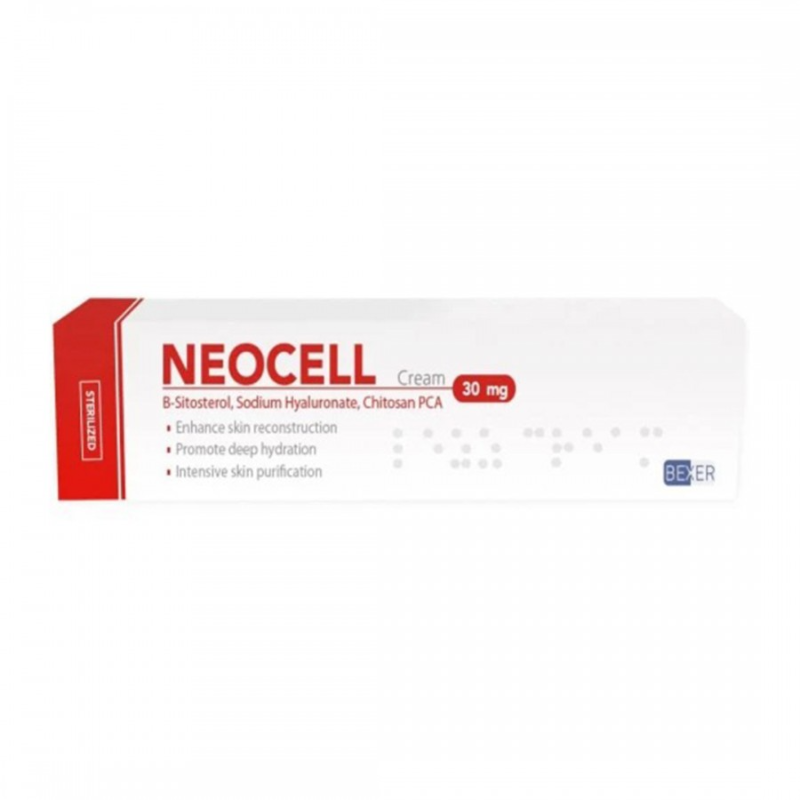
Medications > Dermatology Medications
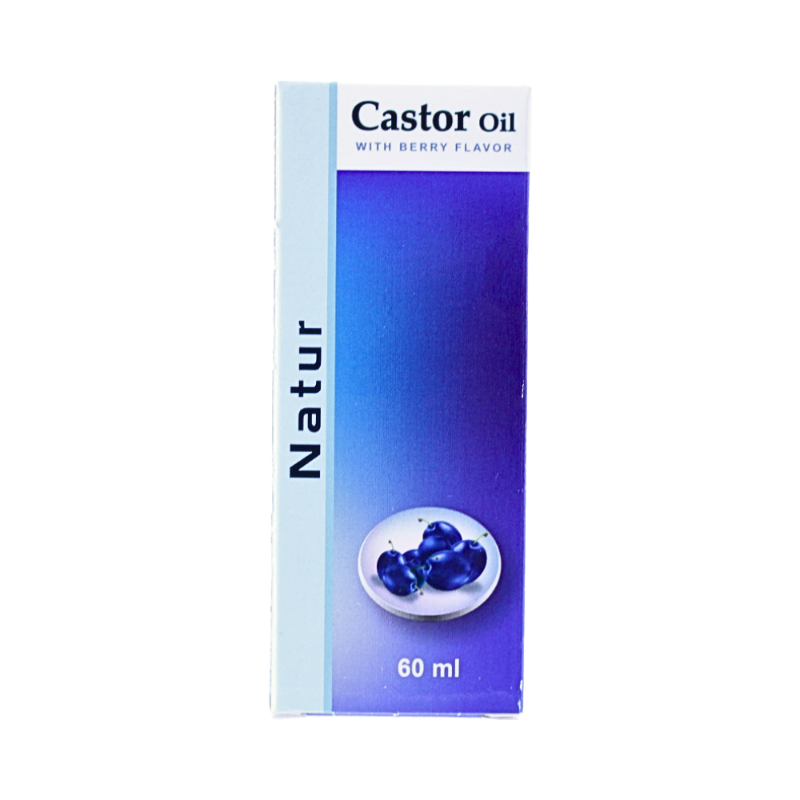
Medications > Gastrointestinal Medications
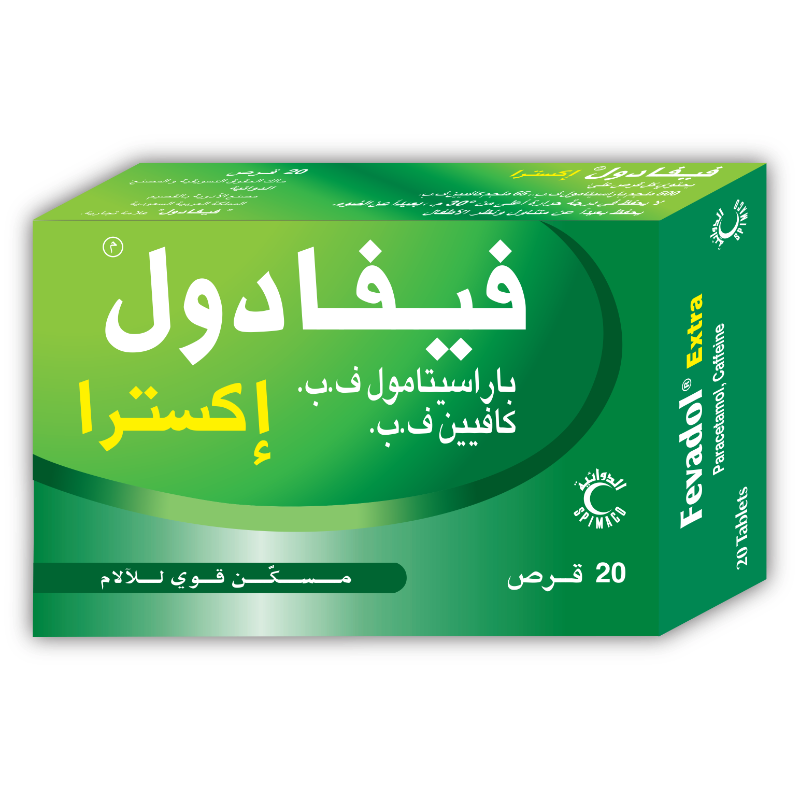
Medications > Painkillers and Antipyretics

Medications > Painkillers and Antipyretics
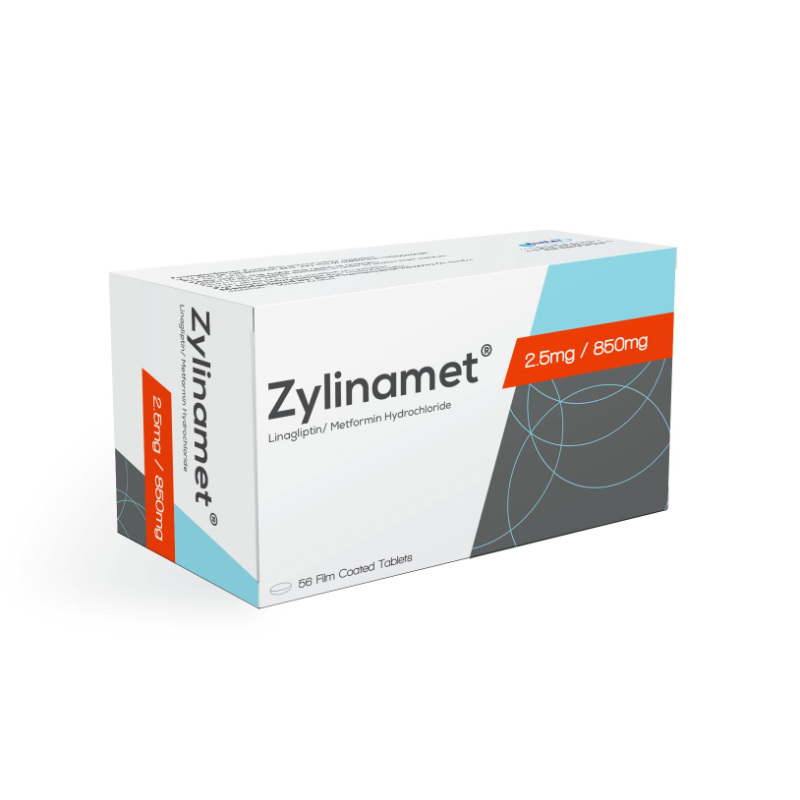
Medications > Diabetes Medications
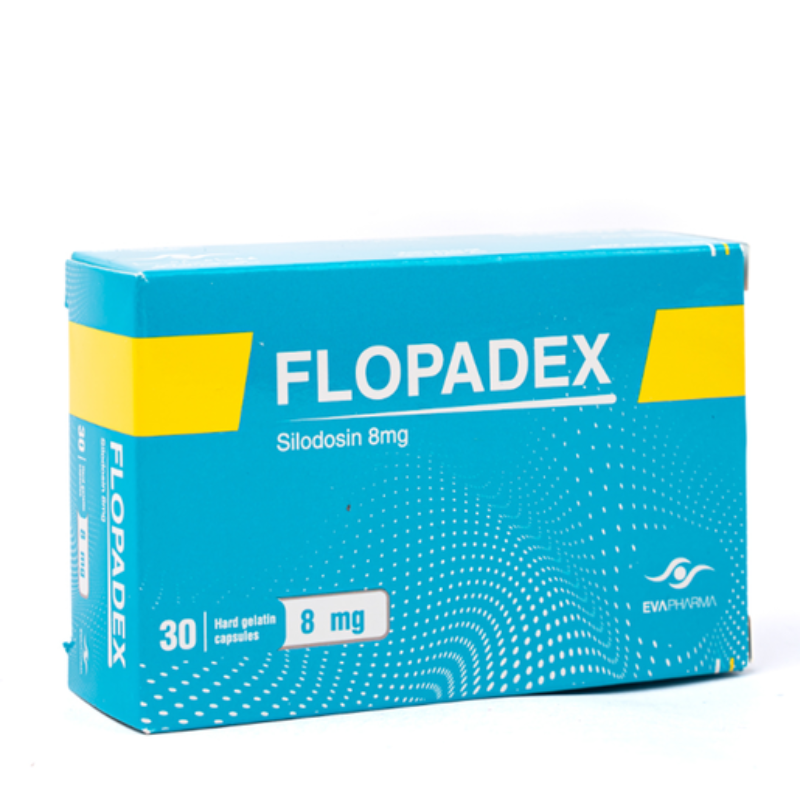
Medications > Urology Medications
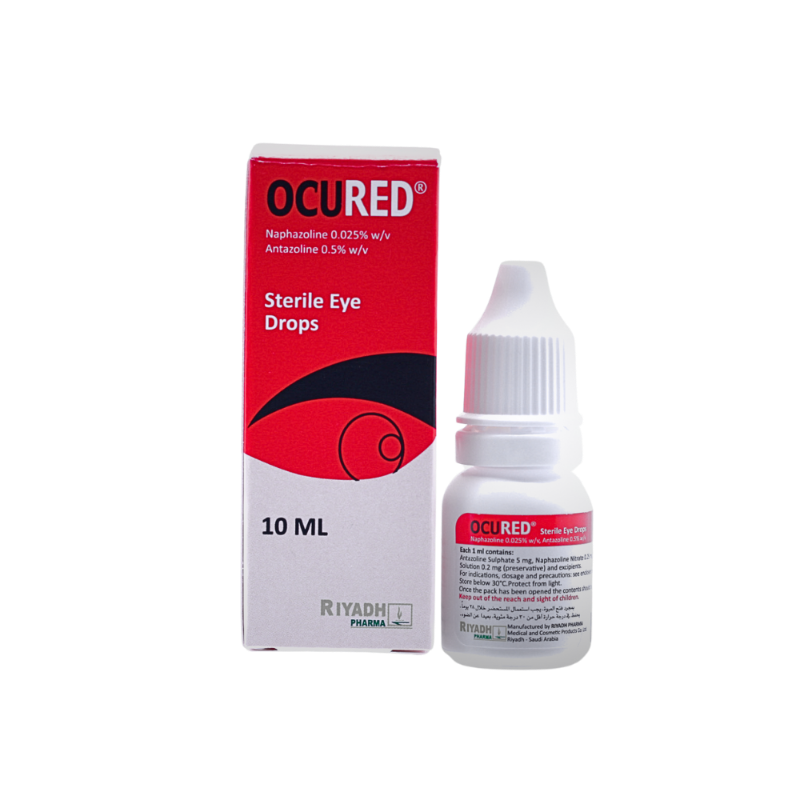
Medications > Eye and Ear Medications
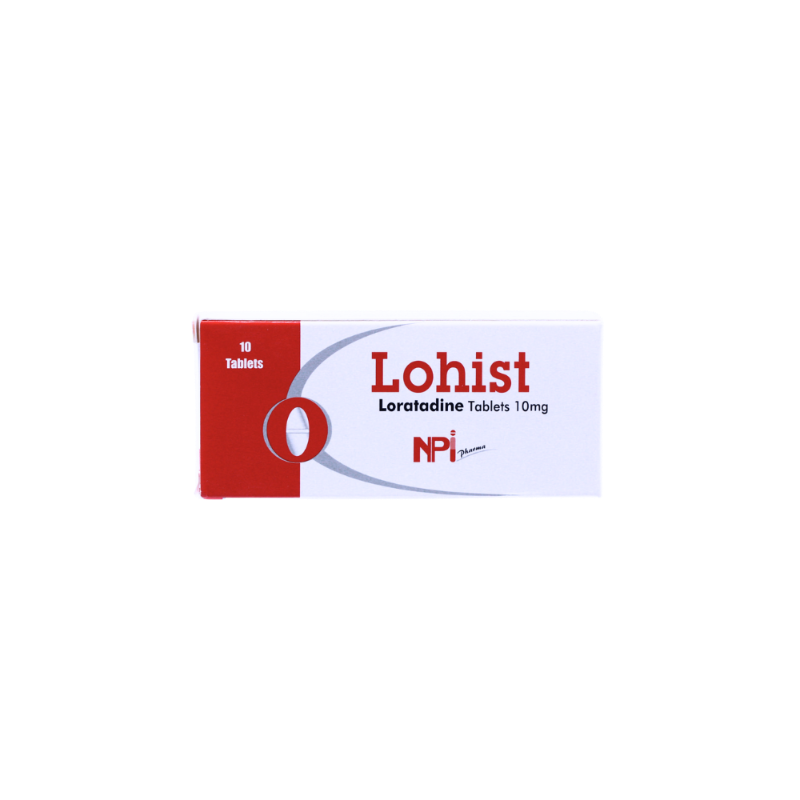
Medications > Cold, Cough, and Allergy Medications
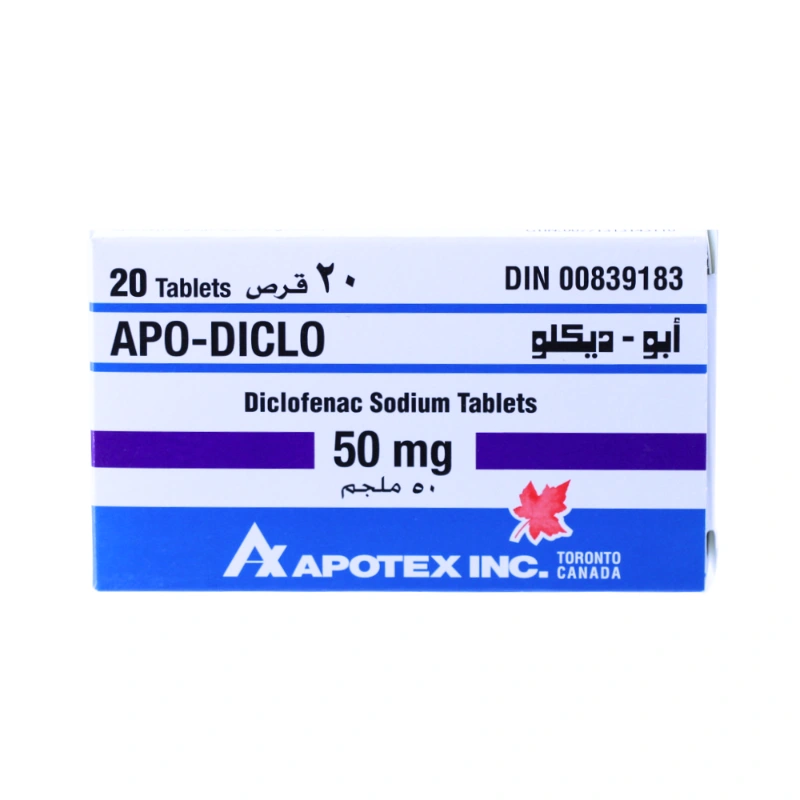
Medications > Painkillers and Antipyretics
Medications > Urology Medications
