
Use Code: ND30 And Get 30% OFF | Get Free Delivery With No Minimum Order
-1744229570.gif "Almujtama Pharmacy logo")




Frequently bought together
Health Care & Wellness > Diabetes Care
Health Care & Wellness > Diabetes Care
Health Care & Wellness > Diabetes Care

Skin And Body Care > Moisturizers
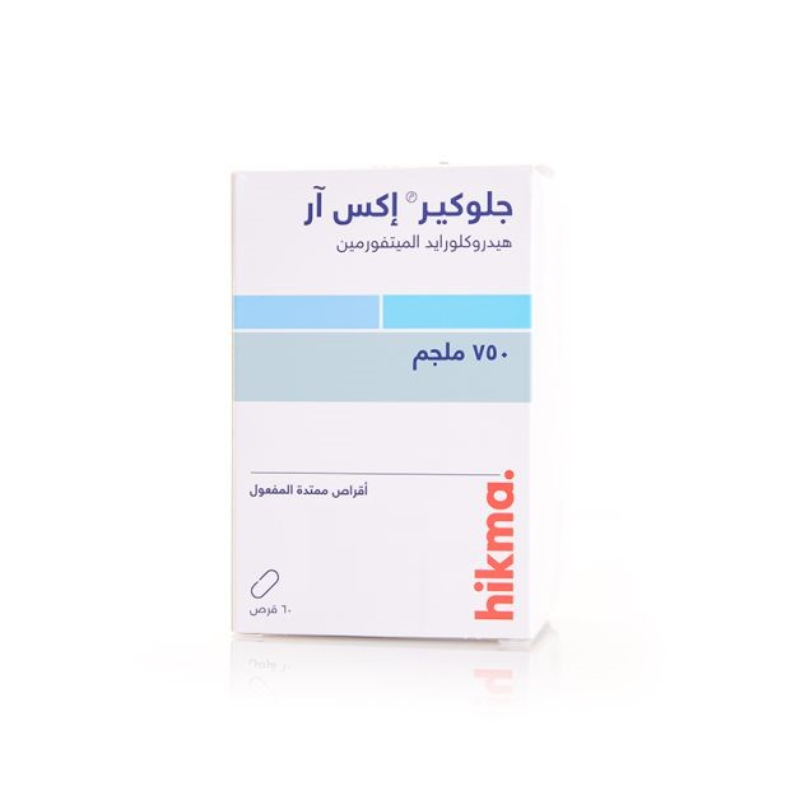
GLUCARE XR 750/MG PR TAB 60/TAB
- Sku : I-022205
Key features
GLUCARE XR is an extended-release tablet containing metformin hydrochloride 750 mg as the active ingredient. It decreases hepatic glucose production, reduces intestinal glucose absorption, and increases insulin sensitivity and peripheral glucose uptake via AMPK-related mechanisms. It is indicated for the treatment of type 2 diabetes mellitus to improve glycemic control as an adjunct to diet and exercise and may be used alone or in combination with other antidiabetic agents or insulin in adults. Available by prescription as extended-release tablets, 60 tablets per pack.- Brand: GLUCARE
- Active Ingredient: METFORMIN HYDROCHLORIDE 750mg
- Strength: 750mg
- Dosage Form: Extended-release tablet
- Pack Size: 60 Tablets
- Route: Oral use
- Prescription Status: Prescription
- Therapeutic Class: Antidiabetic
- Pharmacological Group: Biguanides
- Drug Class: Biguanide Antidiabetic Agent
- Manufacturer: Jazeera Pharmaceutical Industries (JPI)
- Country of Origin: Saudi Arabia
- SFDA Registration No.: 2301221629
- Shelf Life: 36 months
- Storage: store below 30°c
- Diabetes Type: Type 2
Frequently bought together
Health Care & Wellness > Diabetes Care
Health Care & Wellness > Diabetes Care
Health Care & Wellness > Diabetes Care
Skin And Body Care > Moisturizers
Indications
Approved Uses
Type 2 diabetes mellitus to improve glycemic control as an adjunct to diet and exercise; may be used alone or in combination with other antidiabetic agents/insulin (adult indication; pediatric use depends on local product labeling).
Off-Label Uses
Common off-label uses: PCOS; prediabetes/diabetes prevention in high-risk patients; antipsychotic-associated weight gain/metabolic effects. (Gestational diabetes use is off-label in some regions and depends on local guidance.)
Dosage & Administration
Dosing by Condition
Type 2 diabetes (adults, ER): start 500 mg once daily with the evening meal or 750 mg once daily if using a 750 mg ER tablet; titrate by 500 mg weekly (or 750 mg increments where applicable) as tolerated; usual max for ER is 2000 mg/day (some ER products allow 2000 mg once daily or divided).
Initial Dose
750 mg once daily with the evening meal
Maintenance Dose
1500-2000 mg once daily or in divided doses
Maximum Dose
2000 mg/day (extended-release); 2550 mg/day (immediate-release)
Children's Dosage
Not approved for children under 10 years of age. For children 10-16 years, the initial dose of immediate-release is 500 mg twice daily, with a maximum dose of 2000 mg per day. Extended-release is not approved for children.
Dose Adjustment Notes
Titrate gradually to minimize GI effects; assess renal function before start and periodically-contraindicated if eGFR <30 mL/min/1.73 m², do not initiate if eGFR 30-45 and reassess/consider dose reduction if it falls into this range; withhold at/around iodinated contrast in at‑risk patients and restart after ~48 hours once renal function is stable.
How to Take
Swallow GLUCARE XR (metformin ER) tablet whole with a meal (preferably the evening meal); do not crush, chew, or split.
Side Effects
Common Side Effects
Diarrhea, nausea, vomiting, abdominal bloating, flatulence, anorexia (loss of appetite), metallic taste.
Side Effect Frequency
Very common (>10%): gastrointestinal effects (diarrhea, nausea, vomiting, abdominal pain, loss of appetite). Common (1-10%): taste disturbance (metallic taste). Very rare (<0.01%): lactic acidosis; decreased vitamin B12 absorption/low B12 with long-term use; liver function test abnormalities/hepatitis; skin reactions (erythema, pruritus, urticaria).
Safety & Warnings
Contraindications
Contraindications: severe renal impairment (eGFR <30 mL/min/1.73 m²), acute or chronic metabolic acidosis (including diabetic ketoacidosis), and hypersensitivity to metformin; additionally, temporarily discontinue around iodinated contrast in at-risk patients per labeling.
Warnings & Precautions
Warnings/precautions: lactic acidosis risk (higher with renal impairment, hepatic disease, hypoxic states/heart failure, dehydration, sepsis, excessive alcohol, and age ≥65); assess eGFR before start and periodically; temporarily withhold for iodinated contrast in appropriate patients and around major surgery/acute illness; long-term use may cause vitamin B12 deficiency-consider periodic B12 monitoring; not for type 1 diabetes or DKA.
Age Restriction
Pediatric: Metformin ER (including 750 mg XR) is generally not established/approved for use in patients <18 years; metformin IR is approved for type 2 diabetes in children ≥10 years. Geriatric: use caution in older adults; do not initiate in patients ≥80 years unless renal function is confirmed normal and monitor renal function regularly.
Driving Warning
Safe
Drug Interactions
Drug Interactions
Key interactions: iodinated contrast media (temporary interruption in appropriate patients), alcohol (increases lactic acidosis risk), carbonic anhydrase inhibitors (e.g., topiramate/acetazolamide-metabolic acidosis risk), cationic drugs that reduce renal tubular secretion (e.g., cimetidine; also trimethoprim) increasing metformin exposure, and drugs that raise glucose (e.g., corticosteroids, some diuretics) requiring glycemic monitoring/adjustment.
Interaction Severity
MAJOR: Iodinated contrast media (risk of AKI → metformin accumulation/lactic acidosis; hold per eGFR/risk and restart after renal function stable). MODERATE: Excess alcohol; carbonic anhydrase inhibitors (e.g., topiramate/acetazolamide); cationic renally-secreted drugs (e.g., cimetidine, trimethoprim) that can raise metformin levels. MODERATE (glycemic effect): corticosteroids/diuretics can worsen hyperglycemia and reduce efficacy. MINOR/variable: ACE inhibitors may improve insulin sensitivity and can contribute to hypoglycemia when combined with other glucose-lowering agents; monitor.
Food Interaction
Take with food
Alcohol Interaction
Dangerous
Special Populations
Pregnancy
Consult Doctor
Breastfeeding
Safe
Children
Not approved for children under 10 years of age. For children 10-16 years, the initial dose of immediate-release is 500 mg twice daily, with a maximum dose of 2000 mg per day. Extended-release is not approved for children.
Elderly
Use with caution in patients ≥65 years; start at lower dose and titrate slowly; monitor renal function regularly as eGFR may decline with age; avoid use in patients ≥80 years unless renal function is confirmed to be normal
Kidney Impairment
eGFR ≥45: no dose adjustment (monitor at least annually). eGFR 30-44: do not initiate; if already on therapy, consider dose reduction (commonly max 1000 mg/day) and monitor renal function about every 3 months. eGFR <30: contraindicated.
Liver Impairment
Avoid use in patients with clinical or laboratory evidence of hepatic disease/impairment (no dose-adjustment strategy recommended).
Storage & Patient Advice
Stopping the Medicine
May be stopped without taper, but only under prescriber guidance; monitor blood glucose/A1c after stopping and ensure an alternative diabetes plan to prevent recurrent hyperglycemia.
Overdose
Overdose can cause lactic acidosis (predominant toxicity) and may cause hypoglycemia (uncommon, usually with co-ingestants/poor intake); management is immediate medical evaluation, stop metformin, supportive care, and consider hemodialysis to remove metformin and correct acidosis.
Patient Counseling
Take with a meal (often evening meal) and swallow whole; expect possible GI upset initially; avoid excessive alcohol; maintain hydration and seek advice during severe illness/vomiting/diarrhea; inform providers before contrast imaging/surgery; report symptoms suggestive of lactic acidosis; attend regular monitoring including kidney function and possible B12 checks.
Monitoring Requirements
Monitor renal function (eGFR) before initiation and at least annually (more often if elderly/at risk); monitor glycemic control (HbA1c about every 3 months until stable then every 3-6 months, plus SMBG as appropriate); consider periodic vitamin B12 with long-term use; monitor for GI intolerance and symptoms of lactic acidosis in high-risk situations.
Pharmacology
Mechanism of Action
Decreases hepatic glucose production (gluconeogenesis), decreases intestinal glucose absorption, and increases insulin sensitivity/peripheral glucose uptake (mechanistically linked to AMPK activation).
Duration of Effect
Approximately 24 hours for the extended-release formulation.
Half-Life
Plasma elimination half-life ≈6.2 hours; apparent half-life in whole blood ≈17.6 hours (due to erythrocyte distribution).
Bioavailability
Immediate-release metformin oral bioavailability is ~50-60% fasting; extended-release has lower/slower absorption with food affecting rate/extent (product-dependent).
Metabolism
Not metabolized; excreted unchanged in urine (renal elimination).
Excretion
Eliminated renally, primarily via active tubular secretion; excreted largely unchanged in urine.
Protein Binding
Negligible (essentially not bound to plasma proteins).
Product Information
Available Dosage Forms
Immediate-release tablet, Extended-release tablet, Oral solution.
Composition per Dose
Each extended-release tablet: 750 mg metformin hydrochloride
Generic Availability
Yes
OTC Alternatives
No OTC alternative to metformin; lifestyle measures and OTC glucose meters/supplies are not therapeutic substitutes.
Diabetes Type
Type 2
Reviewed by Al Mujtama Pharmacy Medical Review Team. Last reviewed 21-07-2026
Similar Products
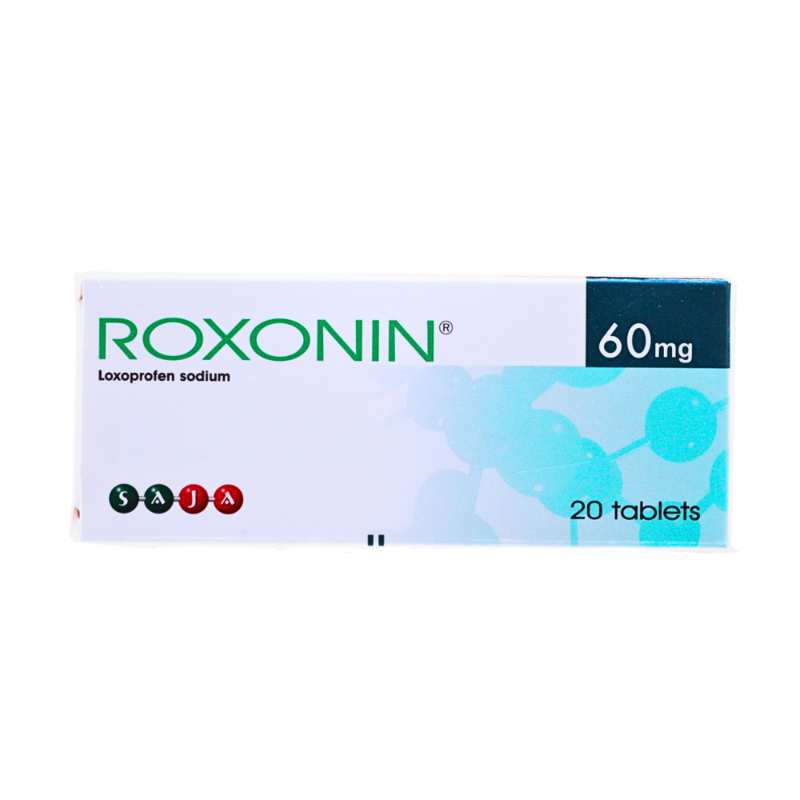
Medications > Painkillers and Antipyretics
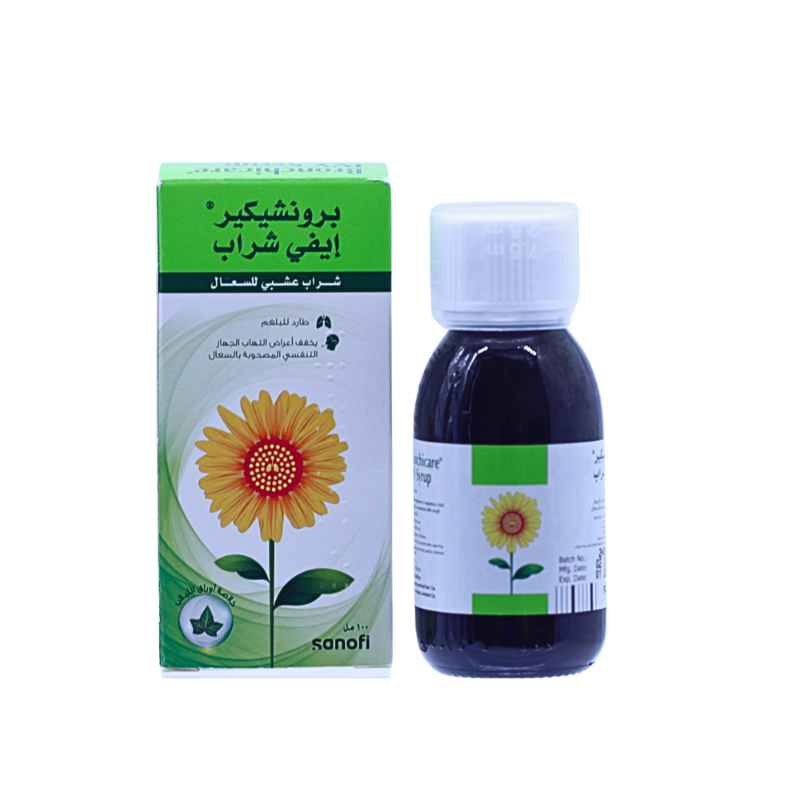
Medications > Cold, Cough, and Allergy Medications
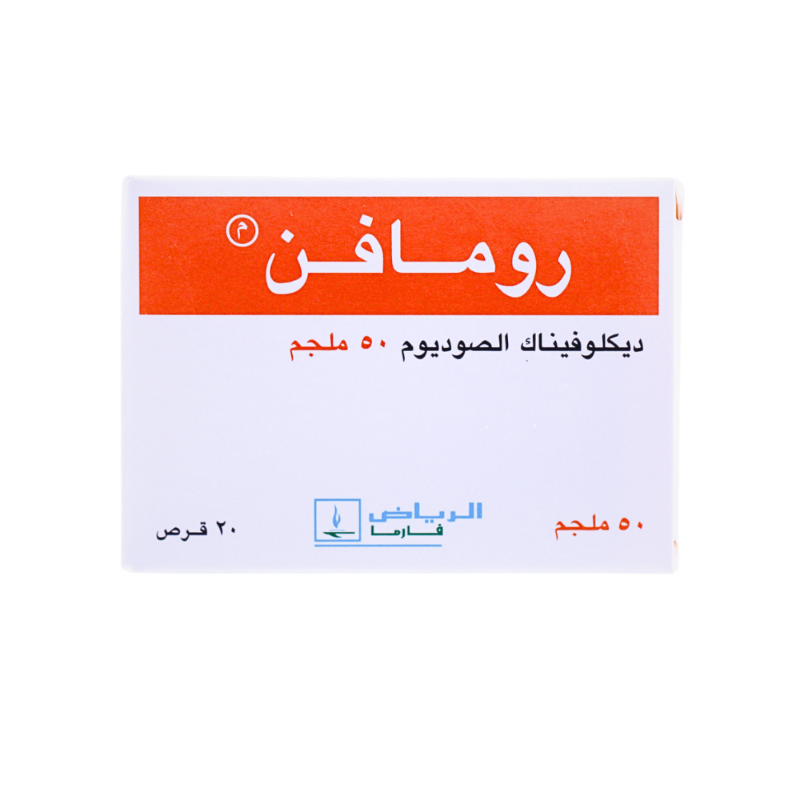
Medications > Painkillers and Antipyretics
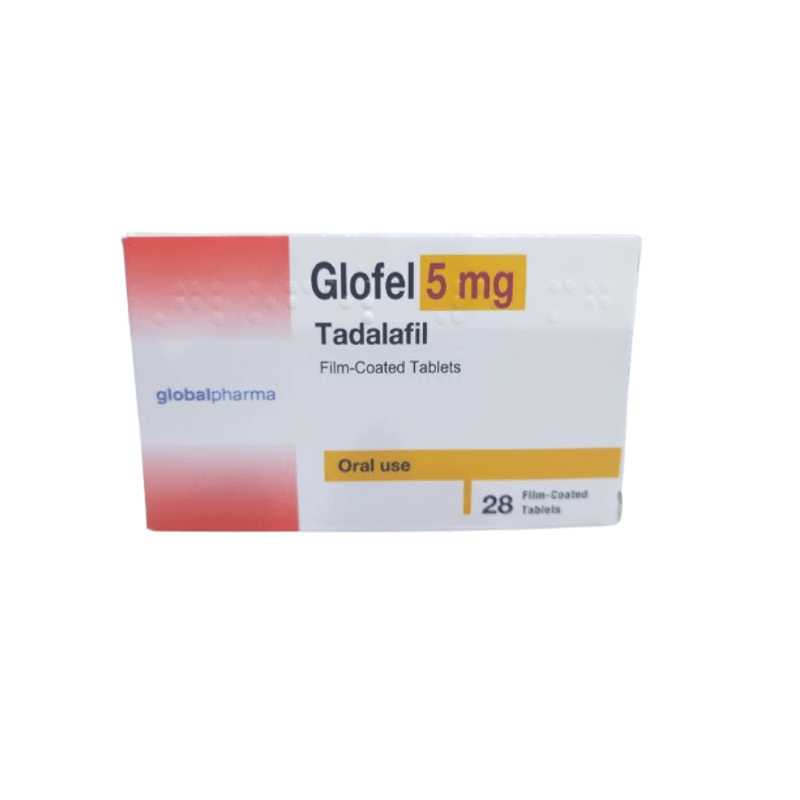
Medications > Sexual Health
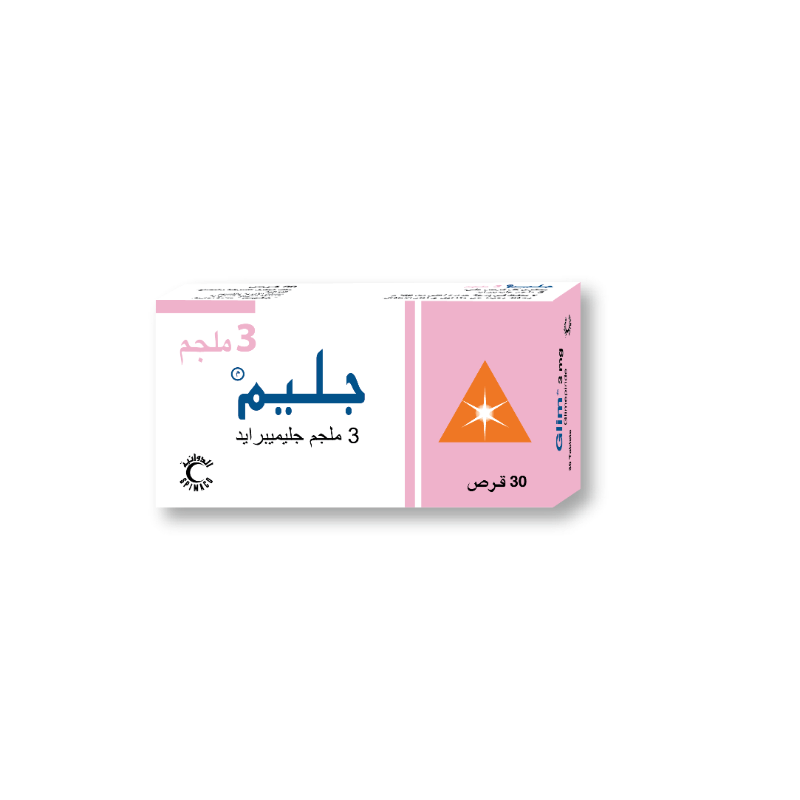
Medications > Diabetes Medications
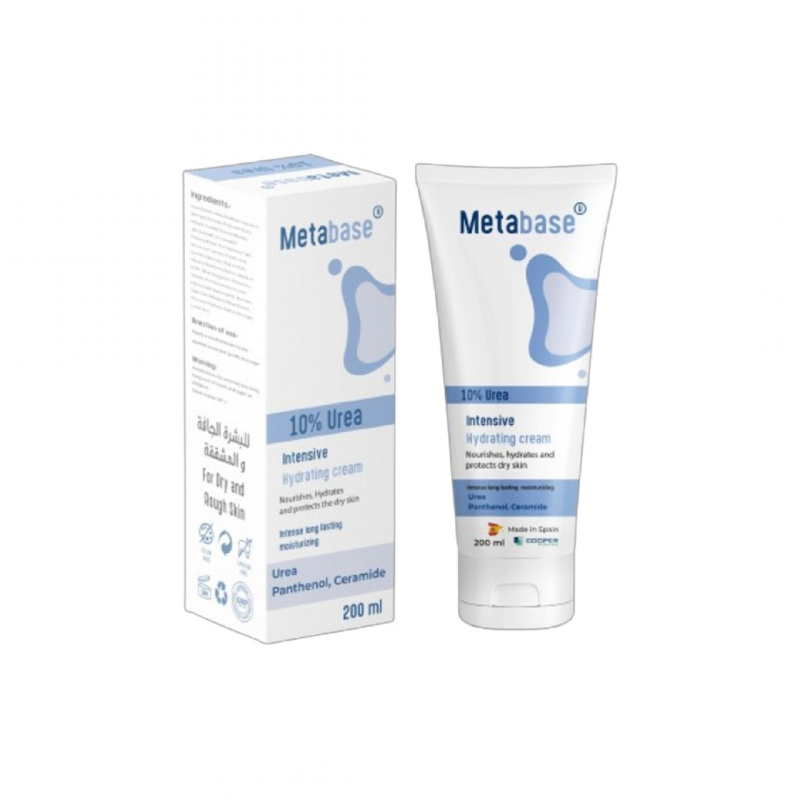
Medications > Dermatology Medications
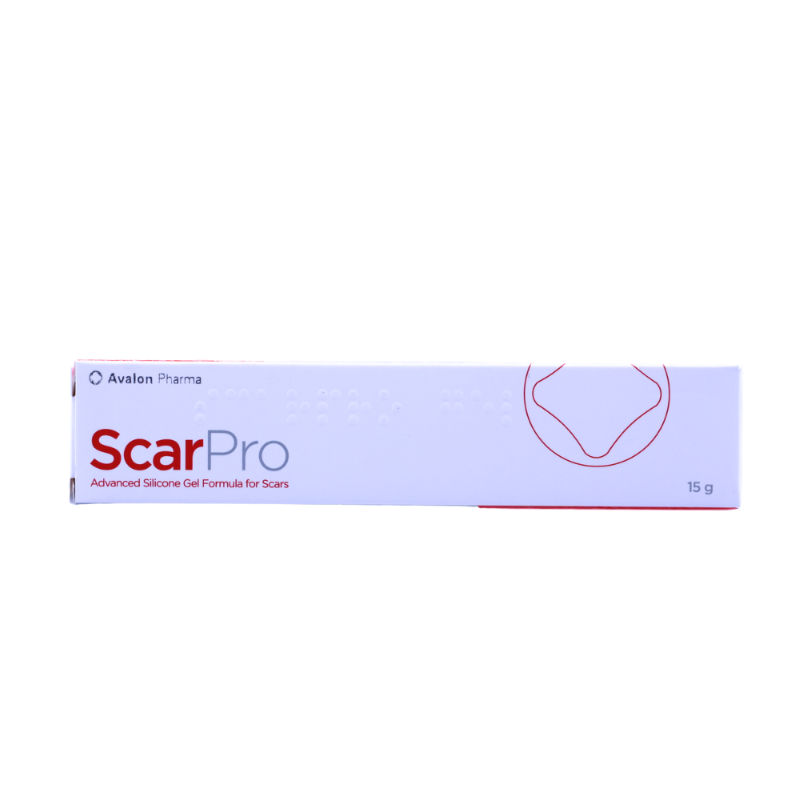
Medications > Dermatology Medications
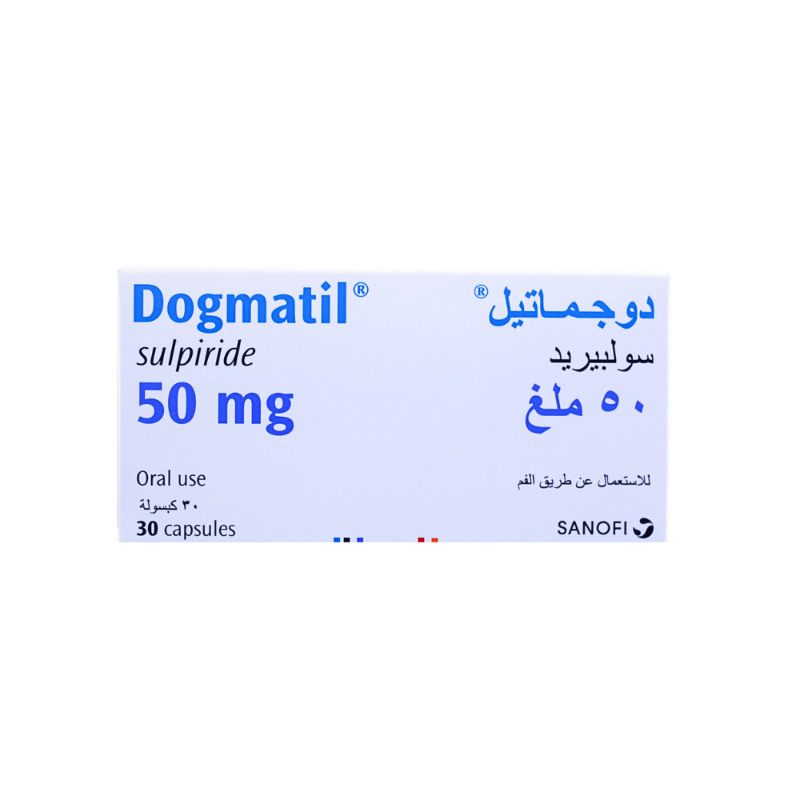
Medications > Psychiatric Medications
Medications > Psychiatric Medications
Medications > Gastrointestinal Medications
