
Use Code: SAVE26 And Get 30% OFF | Get Free Delivery With No Minimum Order
-1744229570.gif "Almujtama Pharmacy logo")




Frequently bought together
Skin And Body Care > Moisturizers
Skin And Body Care > Moisturizers
Skin And Body Care > Moisturizers
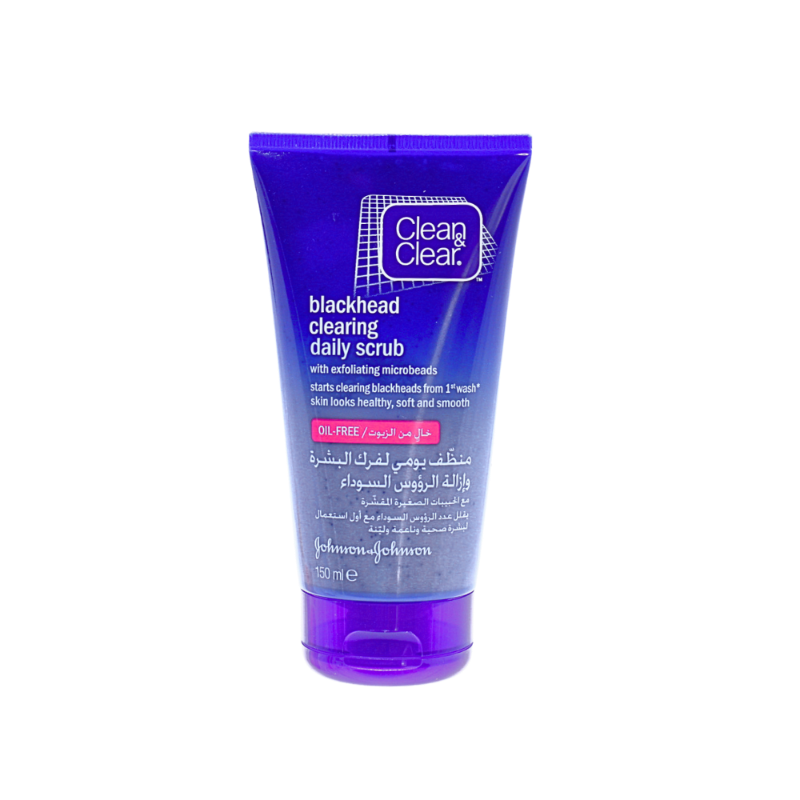
Skin And Body Care > Facial Wash And Exfoliators
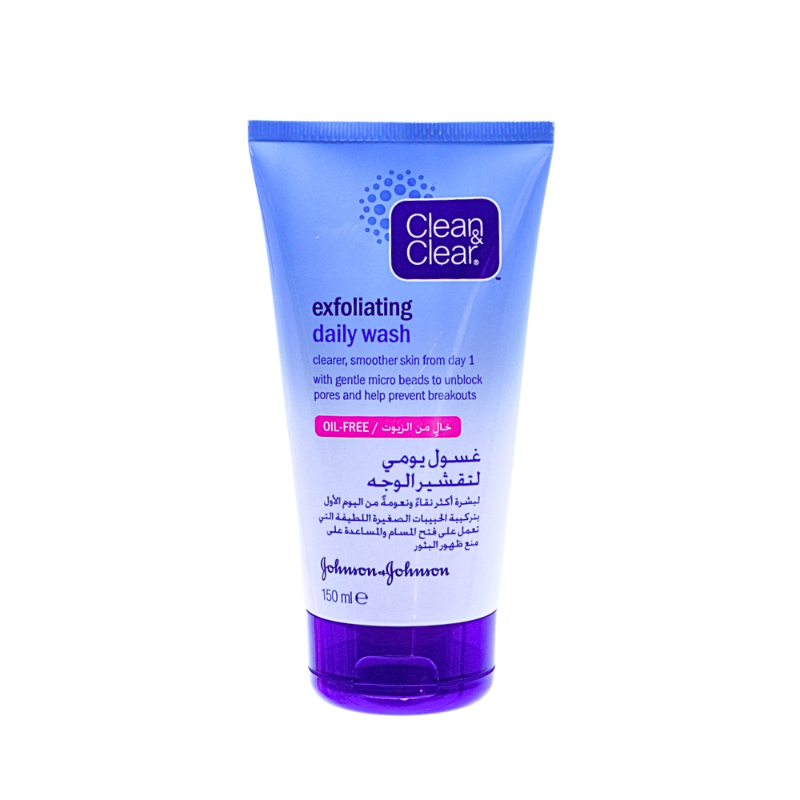
Skin And Body Care > Facial Wash And Exfoliators
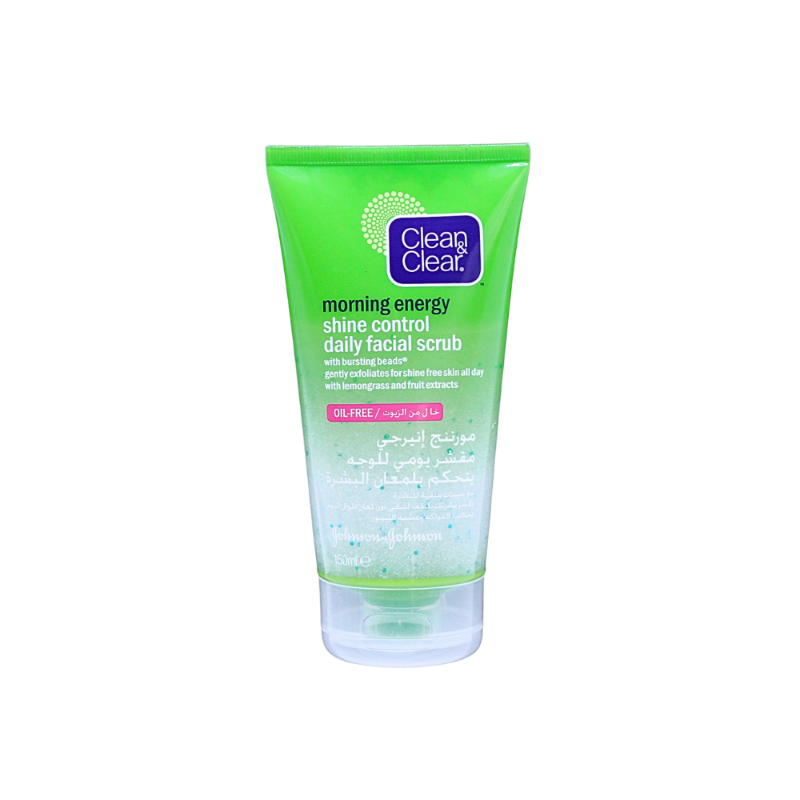
Skin And Body Care > Facial Wash And Exfoliators
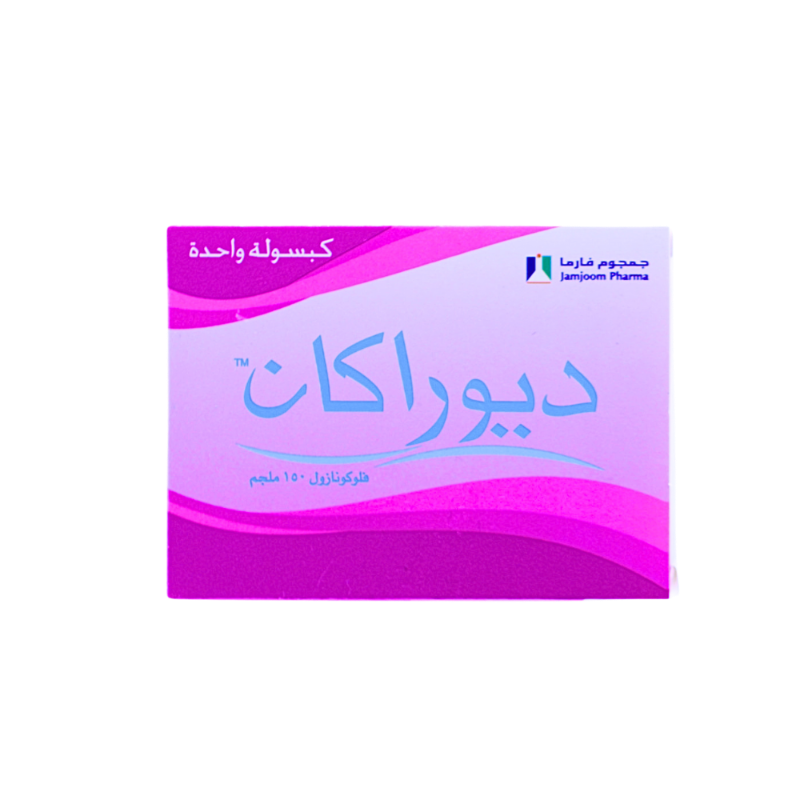
DURACAN 150/MG CAP 1/CAP
- Sku : I-001812
Key features
Duracan 150mg Soft Capsule 1 Capsule is a soft capsule formulation containing fluconazole 150 mg. It inhibits fungal CYP450-dependent lanosterol 14-α-demethylase, blocking the conversion of lanosterol to ergosterol and impairing fungal cell membrane synthesis, with primarily fungistatic activity against Candida spp. It is indicated for mucosal candidiasis (oropharyngeal and esophageal), vulvovaginal candidiasis, systemic Candida infections including candidemia and disseminated candidiasis, cryptococcal meningitis, and for prophylaxis in high‑risk immunocompromised patients (e.g., bone marrow transplant recipients). Supplied as a single soft capsule (pack size: 1 capsule) and available by prescription.- Brand: DURACAN
- Active Ingredient: FLUCONAZOLE 150mg
- Strength: 150mg
- Dosage Form: Capsule, soft
- Pack Size: 1 Capsule
- Route: Oral use
- Prescription Status: Prescription
- Therapeutic Class: Anti-infective
- Pharmacological Group: Antifungals (Systemic)
- Drug Class: Triazole Antifungal (Systemic)
- Manufacturer: Jamjoom Pharmaceuticals Factory Company
- Country of Origin: Saudi Arabia
- SFDA Registration No.: 1612246425
- Shelf Life: 24 months
- Storage: do not store above 30°c
- Application: Oral
Frequently bought together
Skin And Body Care > Moisturizers
Skin And Body Care > Moisturizers
Skin And Body Care > Moisturizers
Skin And Body Care > Facial Wash And Exfoliators
Skin And Body Care > Facial Wash And Exfoliators
Skin And Body Care > Facial Wash And Exfoliators
Indications
Approved Uses
Treatment of mucosal candidiasis (oropharyngeal and esophageal), vulvovaginal candidiasis, systemic Candida infections including candidemia/disseminated candidiasis, cryptococcal meningitis, and prophylaxis to reduce candidiasis in high-risk immunocompromised patients (e.g., bone marrow transplant).
Dosage & Administration
Dosing by Condition
Vaginal candidiasis (uncomplicated): 150 mg PO once. Oropharyngeal candidiasis: 200 mg PO on day 1 then 100 mg PO daily for at least 14 days. Esophageal candidiasis: 200 mg PO on day 1 then 100 mg PO daily for at least 21 days. Cryptococcal meningitis (consolidation/maintenance regimens vary by guideline): commonly 400 mg PO on day 1 then 200-400 mg PO daily for 10-12 weeks (after appropriate induction therapy). Systemic candidiasis/candidemia: typically higher-dose regimens (e.g., 800 mg loading then 400 mg daily) depending on severity and organism susceptibility; specialist guidance recommended.
Initial Dose
150mg as a single dose (vaginal candidiasis); 200-400mg loading dose for systemic infections
Maintenance Dose
100-400mg once daily, depending on indication. [4, 7]
Maximum Dose
800mg daily for life-threatening infections.
Children's Dosage
3mg/kg once daily (equivalent to adult 100mg dose); 6mg/kg once daily (equivalent to adult 200mg); 12mg/kg once daily (equivalent to adult 400mg). Maximum 12mg/kg/day. Not recommended in neonates in the first 2 weeks of life unless benefit outweighs risk.
Dose Adjustment Notes
Renal: for multiple-dose therapy, reduce maintenance dose by ~50% when CrCl ≤50 mL/min (after giving the usual loading dose if used); hemodialysis: give the full dose after each dialysis session. Hepatic: no formal dose adjustment, but use caution and monitor liver function with prolonged therapy or underlying liver disease.
How to Take
Oral use: swallow the 150 mg soft capsule whole with water; may be taken with or without food. For uncomplicated vaginal candidiasis, the usual regimen is a single 150 mg dose as prescribed.
Side Effects
Common Side Effects
Headache, nausea, abdominal pain, diarrhea, vomiting, rash, dizziness, elevated liver enzymes
Side Effect Frequency
Common (≥1%): headache, nausea, abdominal pain, diarrhea, rash, vomiting, elevated liver enzymes, dizziness; Rare/very rare: severe cutaneous adverse reactions (e.g., Stevens-Johnson syndrome/TEN), anaphylaxis, severe hepatotoxicity, QT prolongation/torsades de pointes, blood dyscrasias (e.g., leukopenia/thrombocytopenia).
Safety & Warnings
Contraindications
Contraindicated: hypersensitivity to fluconazole/other azoles; concomitant use with QT-prolonging CYP3A4 substrates such as cisapride, pimozide, quinidine, and erythromycin; terfenadine is contraindicated when fluconazole is used at multiple doses ≥400 mg/day (not relevant to a single 150 mg dose).
Warnings & Precautions
Use caution/monitor in hepatic disease (stop if liver injury signs), renal impairment (dose adjust for repeated dosing), and patients with QT-risk factors (cardiac disease, electrolyte abnormalities, interacting QT-prolonging drugs); discontinue if severe rash occurs; be alert for rare adrenal insufficiency.
Age Restriction
Adults: appropriate for labeled single-dose 150 mg use; Pediatric use requires physician-directed dosing and is not for self-treatment (the 150 mg single-dose regimen is not generally recommended in children/adolescents).
Drug Interactions
Drug Interactions
Major/avoid: cisapride, pimozide, quinidine, erythromycin (QT/torsades risk); Important interactions requiring monitoring/dose adjustment: warfarin (↑INR/bleeding), phenytoin (↑levels), cyclosporine/tacrolimus (↑levels/nephrotoxicity), sulfonylureas (↑hypoglycemia), certain benzodiazepines (↑sedation), rifampicin (↓fluconazole exposure), and CYP3A4 statins (↑myopathy/rhabdo risk).
Interaction Severity
MAJOR/contraindicated or avoid: cisapride, pimozide, quinidine, erythromycin (and other strong QT-prolonging substrates) due to torsades/QT risk; terfenadine is contraindicated with fluconazole at higher doses (classically ≥400 mg/day). MODERATE/clinically significant: warfarin (↑INR), phenytoin, cyclosporine, tacrolimus, sulfonylureas (hypoglycemia), theophylline, rifabutin; monitor levels/clinical effects and adjust doses. Other notable: rifampin may lower fluconazole exposure; hydrochlorothiazide may increase fluconazole levels.
Food Interaction
No restriction.
Special Populations
Pregnancy
Category D (high doses); single 150 mg dose generally avoided but low risk
Breastfeeding
Caution
Children
3mg/kg once daily (equivalent to adult 100mg dose); 6mg/kg once daily (equivalent to adult 200mg); 12mg/kg once daily (equivalent to adult 400mg). Maximum 12mg/kg/day. Not recommended in neonates in the first 2 weeks of life unless benefit outweighs risk.
Elderly
Standard adult dosing; adjust for renal function as creatinine clearance may be reduced in elderly patients
Kidney Impairment
CrCl >50 mL/min: no adjustment; CrCl ≤50 mL/min (not on dialysis): give 50% of the usual maintenance dose (after any loading dose); Hemodialysis: give the full dose after each dialysis session.
Liver Impairment
No routine dose adjustment defined; use with caution and monitor liver function/clinical signs, discontinuing if hepatotoxicity is suspected.
Storage & Patient Advice
Missed Dose
Take as soon as remembered; skip if near next dose. Do not double the dose. [4, 8]
Stopping the Medicine
Take exactly as prescribed; for single-dose therapy (150 mg) no 'course' exists, but for multi-dose/systemic infections do not stop early without prescriber advice to reduce relapse/failure.
Overdose
Possible symptoms include hallucinations/paranoid behavior and GI upset; manage with supportive care (consider gastric decontamination if appropriate) and hemodialysis can enhance elimination (about 50% reduction after ~3 hours).
Patient Counseling
Take exactly as prescribed (for uncomplicated vaginal thrush, usually one 150 mg capsule once); may take with or without food. Expect improvement within 1 day but symptoms may take a few days to fully resolve; seek care if symptoms persist/return. Report rash, blistering, or signs of liver injury (jaundice, dark urine, severe fatigue, persistent nausea). Avoid new medications without checking due to interactions (notably warfarin and QT-risk drugs). Use caution with driving if dizziness occurs. Inform clinician if pregnant/trying to conceive or breastfeeding.
Monitoring Requirements
Monitor liver function tests if prolonged therapy, high doses, or pre-existing liver disease; monitor renal function to guide dosing in impairment; consider ECG/QT risk assessment in patients with risk factors or on QT-prolonging drugs; if co-administered with warfarin, monitor INR closely; monitor drug levels/clinical toxicity for interacting narrow-therapeutic-index agents (e.g., tacrolimus/cyclosporine/phenytoin).
Pharmacology
Mechanism of Action
Inhibits fungal CYP450-dependent lanosterol 14-α-demethylase, blocking conversion of lanosterol to ergosterol and impairing fungal cell membrane synthesis and function (primarily fungistatic against Candida spp.).
Onset of Action
Peak plasma concentrations occur about 1-2 hours after oral dosing; symptom improvement in vulvovaginal candidiasis often begins within ~24 hours, though full resolution may take several days.
Duration of Effect
Elimination half-life is ~30 hours; after a single 150 mg dose, clinically meaningful antifungal exposure persists for several days (often ~3 days), supporting single-dose therapy for uncomplicated vulvovaginal candidiasis.
Half-Life
Approximately 30 hours (range: 20-50 hours). [1, 5]
Bioavailability
Oral bioavailability >90%.
Metabolism
Minimal hepatic metabolism (a small fraction of dose); fluconazole is also a clinically relevant inhibitor of CYP2C9 and CYP2C19 and a moderate inhibitor of CYP3A4.
Excretion
Primarily renal; ~80% excreted unchanged in urine.
Protein Binding
11-12%
Product Information
Available Dosage Forms
Tablet, Powder for oral suspension, Intravenous injection.
Composition per Dose
Each capsule: 150mg fluconazole
Generic Availability
Yes
OTC Alternatives
There is no OTC oral fluconazole alternative; for uncomplicated vulvovaginal candidiasis, OTC intravaginal/topical azoles (e.g., clotrimazole or miconazole) are common alternatives where locally available OTC.
Application
Oral
Reviewed by Al Mujtama Pharmacy Medical Review Team. Last reviewed 22-07-2026
Similar Products
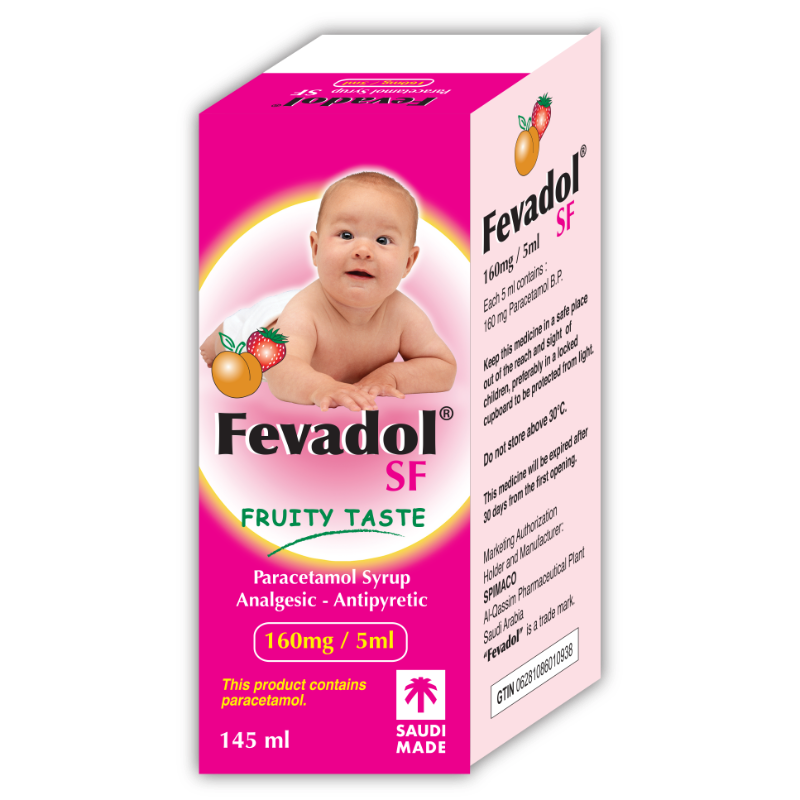
Medications > Painkillers and Antipyretics
Medications > Psychiatric Medications
Medications > Gastrointestinal Medications
Medications > Painkillers and Antipyretics

Medications > Dermatology Medications
Medications > Painkillers and Antipyretics
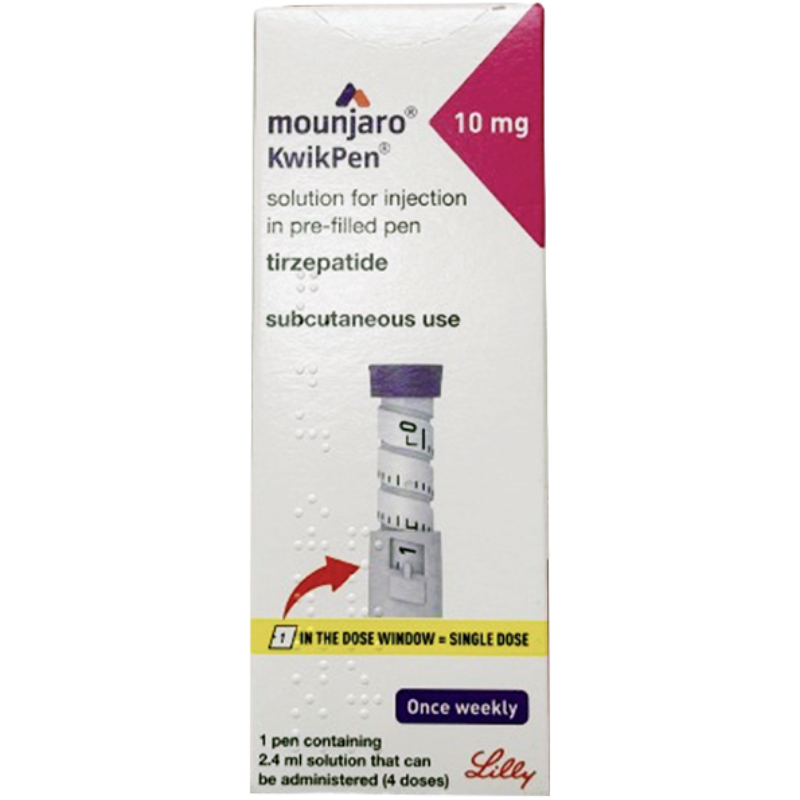
Medications > Diabetes Medications
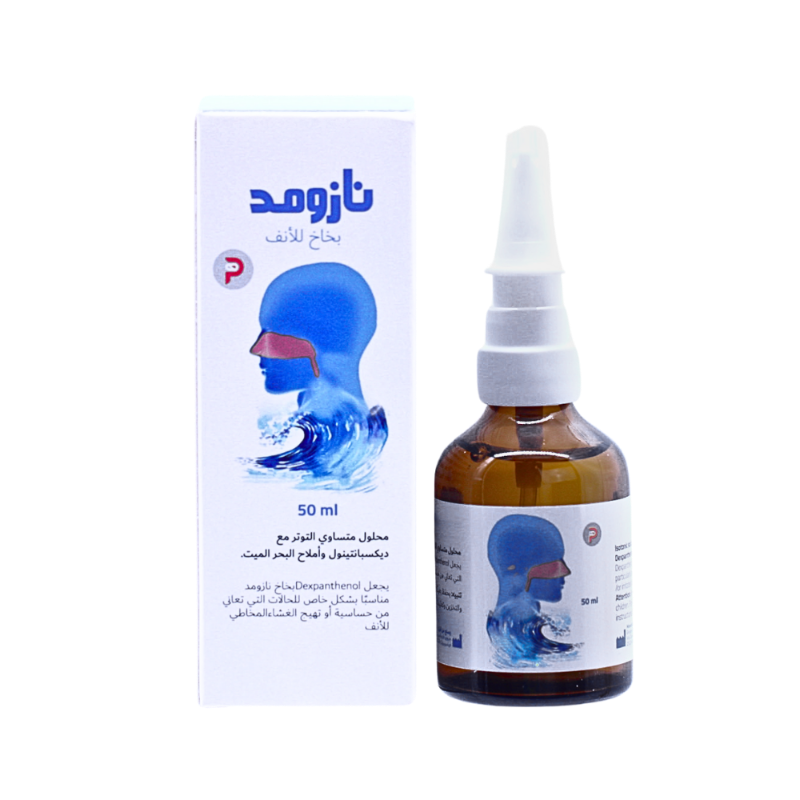
Medications > Cold, Cough, and Allergy Medications
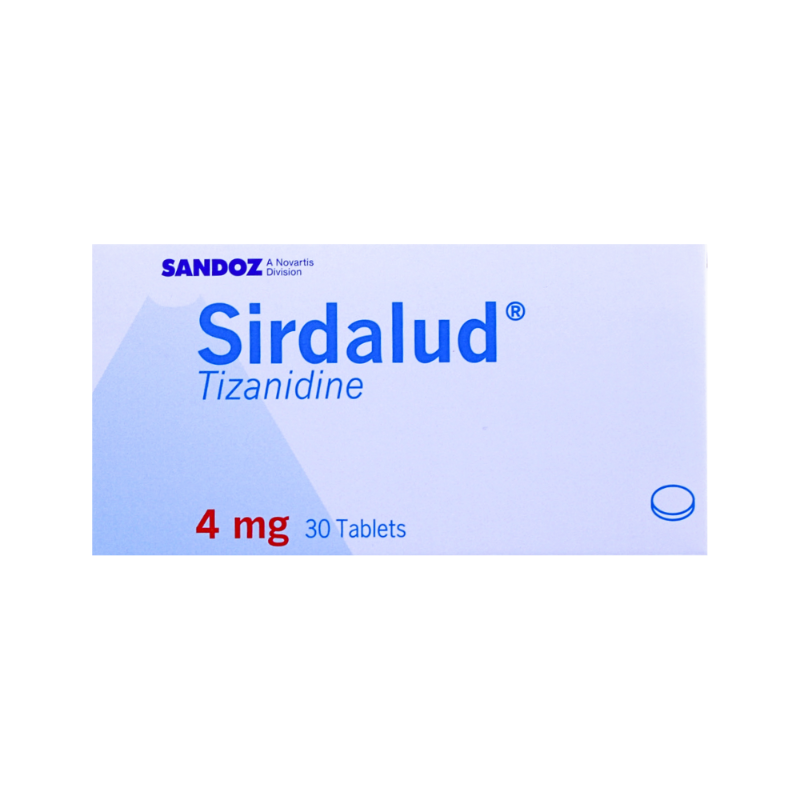
Medications > Painkillers and Antipyretics
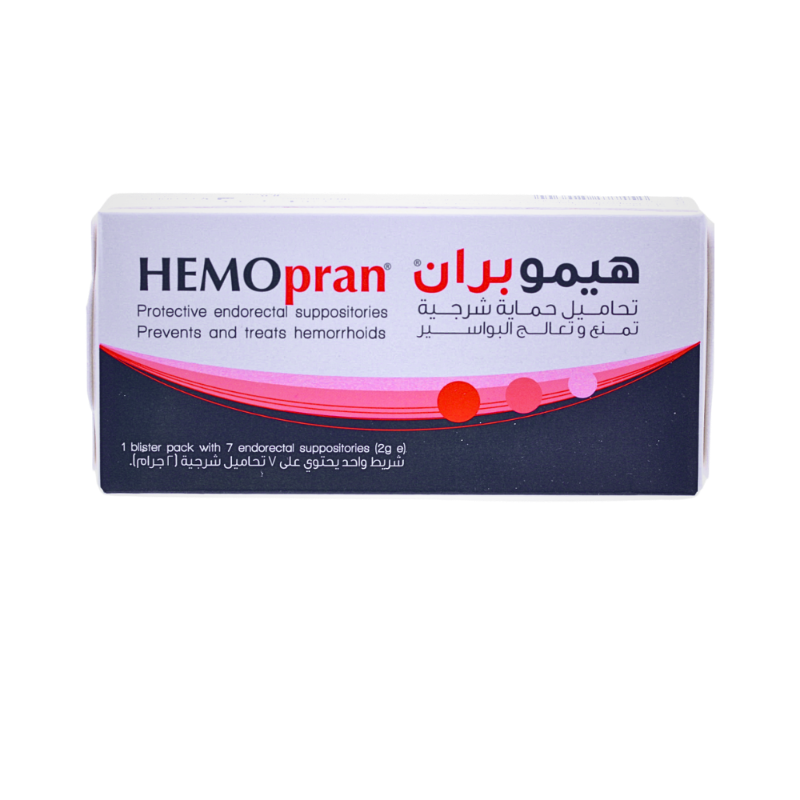
Medications > Hemorrhoid Medications
