
Use Code: SAVE26 And Get 30% OFF | Get Free Delivery With No Minimum Order
-1744229570.gif "Almujtama Pharmacy logo")




Frequently bought together

Vitamins & Supplements > Vitamins and Minerals
Vitamins & Supplements > Vitamins and Minerals
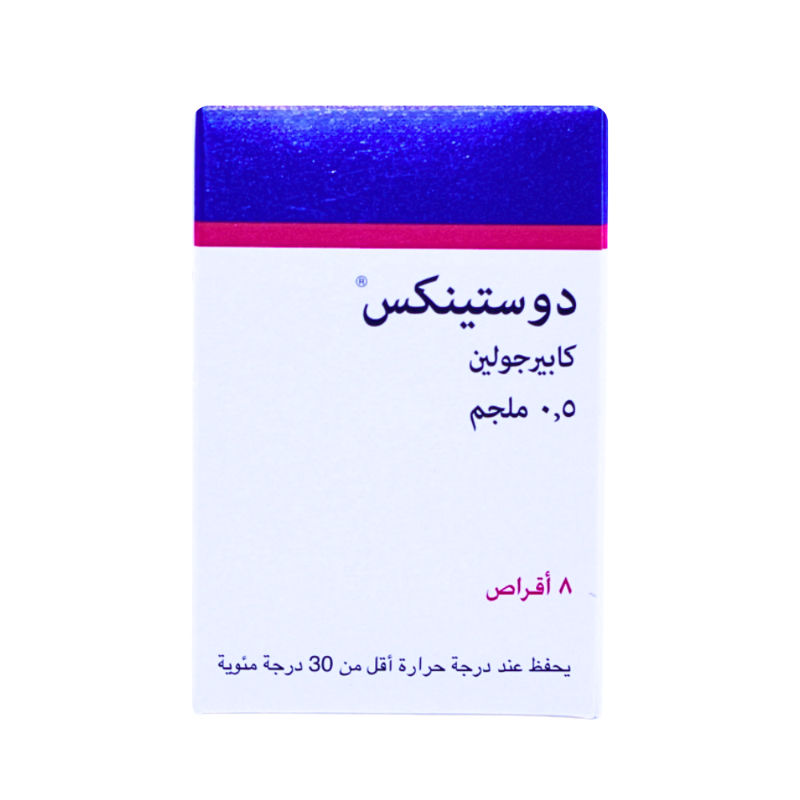
DOSTINEX 0.5MG 8TAB
- Sku : I-001713
Key features
Dostinex 0.5 mg Tablet is a prescription tablet containing cabergoline, an ergot-derived dopamine D2-receptor agonist. It works by lowering prolactin levels through inhibition of prolactin secretion from the anterior pituitary. It is used to treat hyperprolactinemic disorders, including idiopathic hyperprolactinemia and prolactin-secreting pituitary adenomas such as microprolactinomas and macroprolactinomas. This pack contains 8 tablets.- Brand: DOSTINEX
- Active Ingredient: CABERGOLINE
- Strength: 0.5mg
- Dosage Form: Tablet
- Pack Size: 8 Tablets
- Route: Oral use
- Prescription Status: Prescription
- Therapeutic Class: Genitourinary
- Pharmacological Group: Uterine Drugs
- Drug Class: Ergot-derived dopamine D2-receptor agonist (prolactin inhibitor).
- Manufacturer: PFIZER
- Country of Origin: Italy
- SFDA Registration No.: 0309234087
- Shelf Life: 24 months
- Storage: store below 30°c
- Hormone Type: Non-hormonal
- Method: Oral
Frequently bought together
Vitamins & Supplements > Vitamins and Minerals
Vitamins & Supplements > Vitamins and Minerals
Indications
Approved Uses
Treatment of hyperprolactinemic disorders (idiopathic hyperprolactinemia or due to prolactin-secreting pituitary adenomas, including micro- and macroprolactinomas).
Off-Label Uses
Off-label uses include Parkinson’s disease (less common now), adjunctive treatment in Cushing’s disease, and occasional use in acromegaly (adjunct) and other hyperprolactinemia-related reproductive indications; claims such as uterine fibroids or SSRI sexual side-effect reversal are not established standard uses.
Dosage & Administration
Dosing by Condition
Hyperprolactinemia: start 0.25 mg twice weekly (or 0.5 mg/week total), then increase by 0.25 mg twice weekly (i.e., +0.5 mg/week) at intervals of at least 4 weeks to normalize prolactin; maximum recommended dosage is 1 mg twice weekly.
Initial Dose
0.25 mg twice weekly for hyperprolactinemia
Maintenance Dose
0.5-2 mg per week (hyperprolactinemia), administered in 1-2 doses per week; maximum recommended dosage is 1 mg twice weekly
Maximum Dose
Hyperprolactinemia: maximum 1 mg twice weekly (2 mg/week). Parkinson’s disease (where used): higher daily doses have been used, but this is not the typical indication for Dostinex 0.5 mg in this context.
Children's Dosage
Safety and efficacy have not been established in patients younger than 18 years.
Dose Adjustment Notes
Titrate based on serum prolactin and tolerability; dose increases should generally occur no more frequently than every 4 weeks. If adverse effects occur, reduce the dose or slow titration; use caution in hepatic impairment (may require lower doses/closer monitoring). Discontinuation can be considered after sustained normoprolactinemia (e.g., ~6 months) with periodic monitoring for relapse.
How to Take
Oral use; take exactly as prescribed (often once or twice weekly for hyperprolactinemia). Tablets may be taken with or without food; taking with food is commonly advised to reduce nausea. If using twice-weekly dosing, take on the same 2 days each week.
Side Effects
Common Side Effects
Nausea, headache, dizziness/vertigo, abdominal pain/dyspepsia, constipation, fatigue/asthenia, somnolence, and orthostatic hypotension.
Safety & Warnings
Contraindications
Hypersensitivity to cabergoline or other ergot derivatives; history of pulmonary, pericardial, and retroperitoneal fibrotic disorders; evidence of cardiac valvulopathy (or history of valvular disorders) on pre-treatment evaluation; uncontrolled hypertension; pregnancy-induced hypertension (e.g., pre-eclampsia/eclampsia) and postpartum hypertension.
Warnings & Precautions
Baseline cardiovascular evaluation including echocardiography before initiation and periodic monitoring during therapy (especially long-term/higher cumulative doses); monitor for symptoms/signs of fibrotic disorders (dyspnea, cough, chest pain, edema, back/flank pain) and discontinue if suspected/confirmed; counsel and monitor for orthostatic hypotension (especially at initiation/titration) and for impulse control disorders; use caution in hepatic impairment; in postpartum use for lactation suppression, avoid in uncontrolled or pregnancy-related hypertension and monitor blood pressure closely due to rare serious hypertensive/neurologic events.
Driving Warning
May Cause Drowsiness
Drug Interactions
Food Interaction
No clinically significant food interaction; may be taken with or without food, but taking with food is often recommended to reduce nausea.
Special Populations
Pregnancy
Category B
Breastfeeding
Contraindicated
Children
Safety and efficacy have not been established in patients younger than 18 years.
Kidney Impairment
No dosage adjustment is generally required in renal impairment, but use caution in severe renal disease due to limited data and monitor tolerability.
Liver Impairment
Use with caution in hepatic impairment; in severe hepatic impairment (Child-Pugh C), use a lower starting dose and titrate more slowly to the lowest effective dose with close monitoring.
Storage & Patient Advice
Stopping the Medicine
Do not stop without prescriber advice; in hyperprolactinemia, discontinuation can be considered after sustained normalization of prolactin (commonly after ~6 months) with clinical reassessment, and dose reduction/withdrawal is typically done gradually with follow-up prolactin monitoring.
Overdose
Symptoms may include nausea/vomiting, dizziness, nasal congestion, orthostatic hypotension/syncope, confusion and hallucinations; management is supportive (airway/fluids, blood pressure monitoring, treat hypotension) and a dopamine antagonist may be considered for severe symptoms under medical supervision; seek urgent medical attention.
Patient Counseling
Take orally exactly as prescribed on the same day(s) each week; may take with food to reduce nausea. Rise slowly to reduce dizziness/orthostatic hypotension and use caution with driving until effects are known. Report symptoms suggestive of valvular/fibrotic complications (new/worsening shortness of breath, persistent cough, chest/back pain, leg swelling) and any impulse-control changes (e.g., gambling, increased libido). Keep follow-up appointments for prolactin tests and cardiac evaluation (echocardiogram) as directed; avoid doubling doses and discuss pregnancy intentions with the prescriber.
Monitoring Requirements
Monitor serum prolactin to guide titration (e.g., every 4-8 weeks until controlled, then periodically). Baseline cardiovascular assessment with echocardiogram is recommended before long-term therapy and repeat periodically (commonly every 6-12 months) to assess for valvular disease; monitor blood pressure (especially during initiation/titration). Consider pituitary MRI follow-up for macroadenomas or if clinically indicated.
Pharmacology
Mechanism of Action
Long-acting dopamine D2-receptor agonist that inhibits prolactin secretion from anterior pituitary lactotroph cells, lowering serum prolactin.
Onset of Action
Serum prolactin can begin to decrease within a few hours (often within ~3 hours) after a dose; clinical/biochemical stabilization typically requires days to weeks with titration.
Bioavailability
Absolute oral bioavailability in humans is unknown/not established.
Product Information
Available Dosage Forms
Tablet
Composition per Dose
Each tablet: 0.5 mg cabergoline
Generic Availability
Yes
OTC Alternatives
No OTC alternative
Hormone Type
Non-hormonal
Method
Oral
Reviewed by Al Mujtama Pharmacy Medical Review Team. Last reviewed 15-06-2026
Similar Products
Medications > Cold, Cough, and Allergy Medications

Medications > Urology Medications
Medications > Diabetes Medications

Medications > Psychiatric Medications
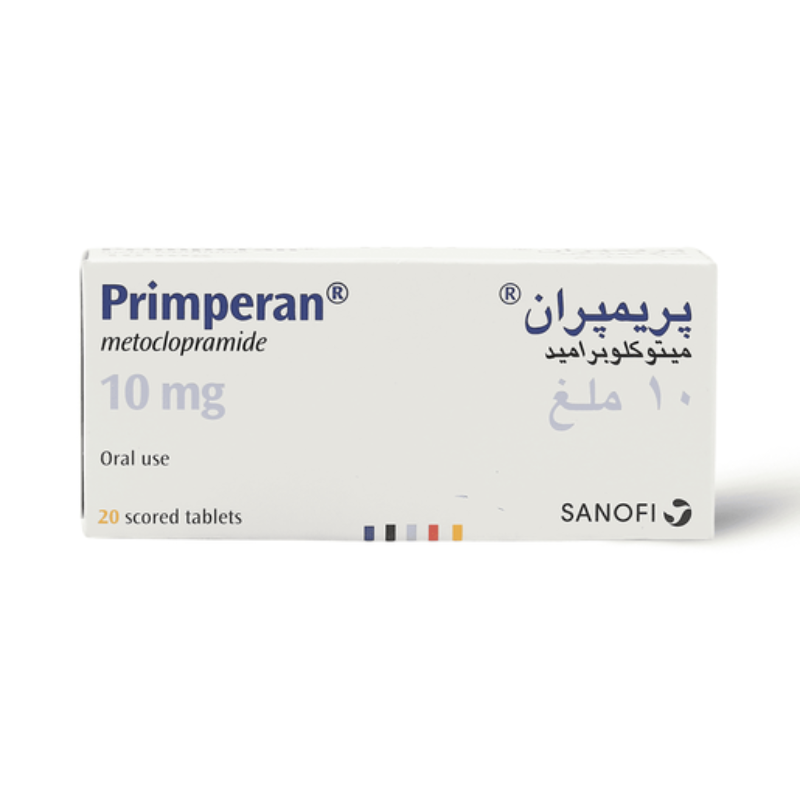
Medications > Gastrointestinal Medications

Medications > Hemorrhoid Medications

Medications > Painkillers and Antipyretics
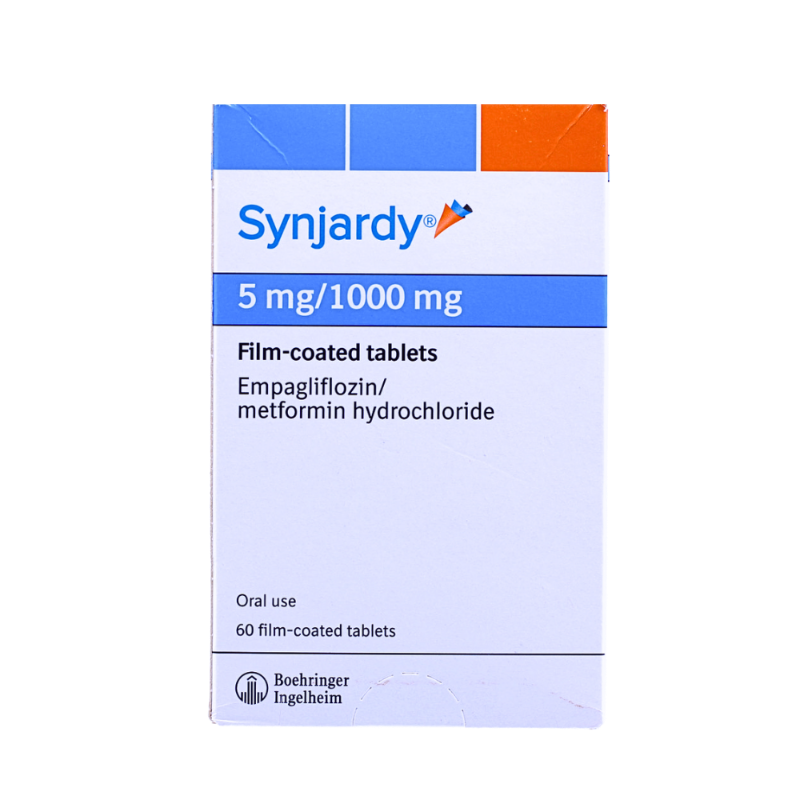
Medications > Diabetes Medications

Medications > Dermatology Medications
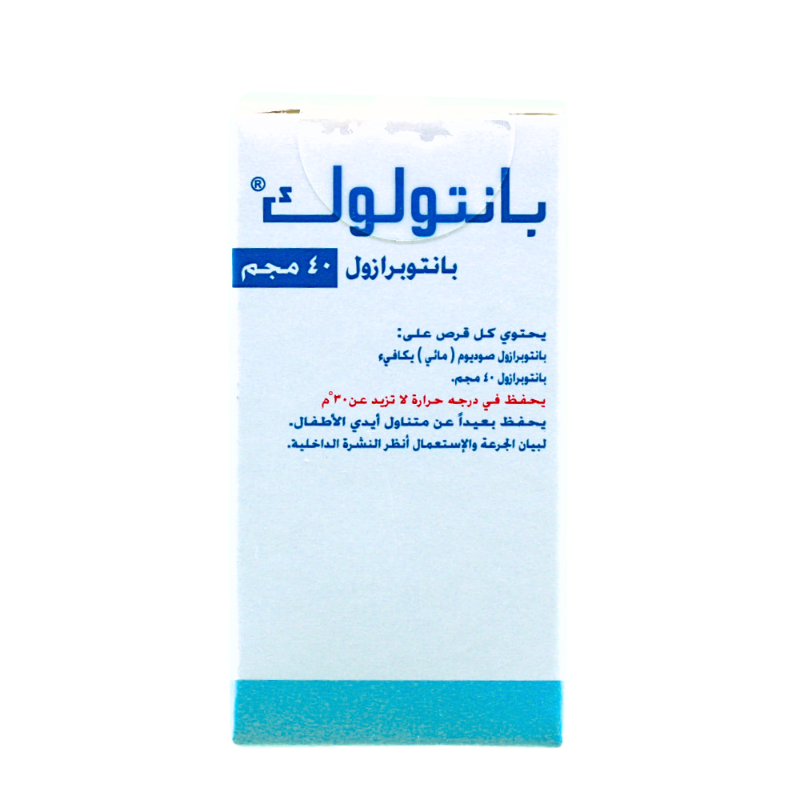
Medications > Gastrointestinal Medications
